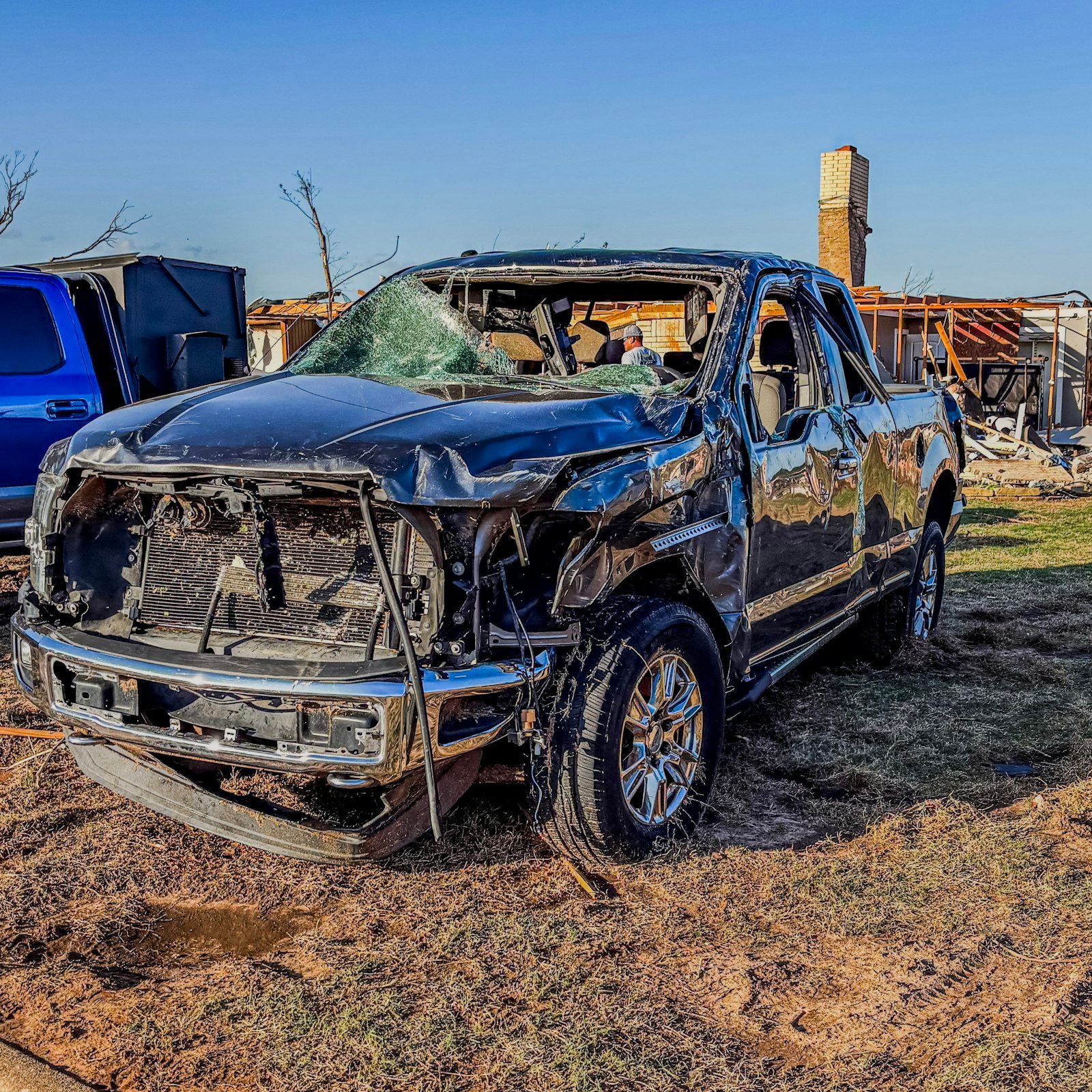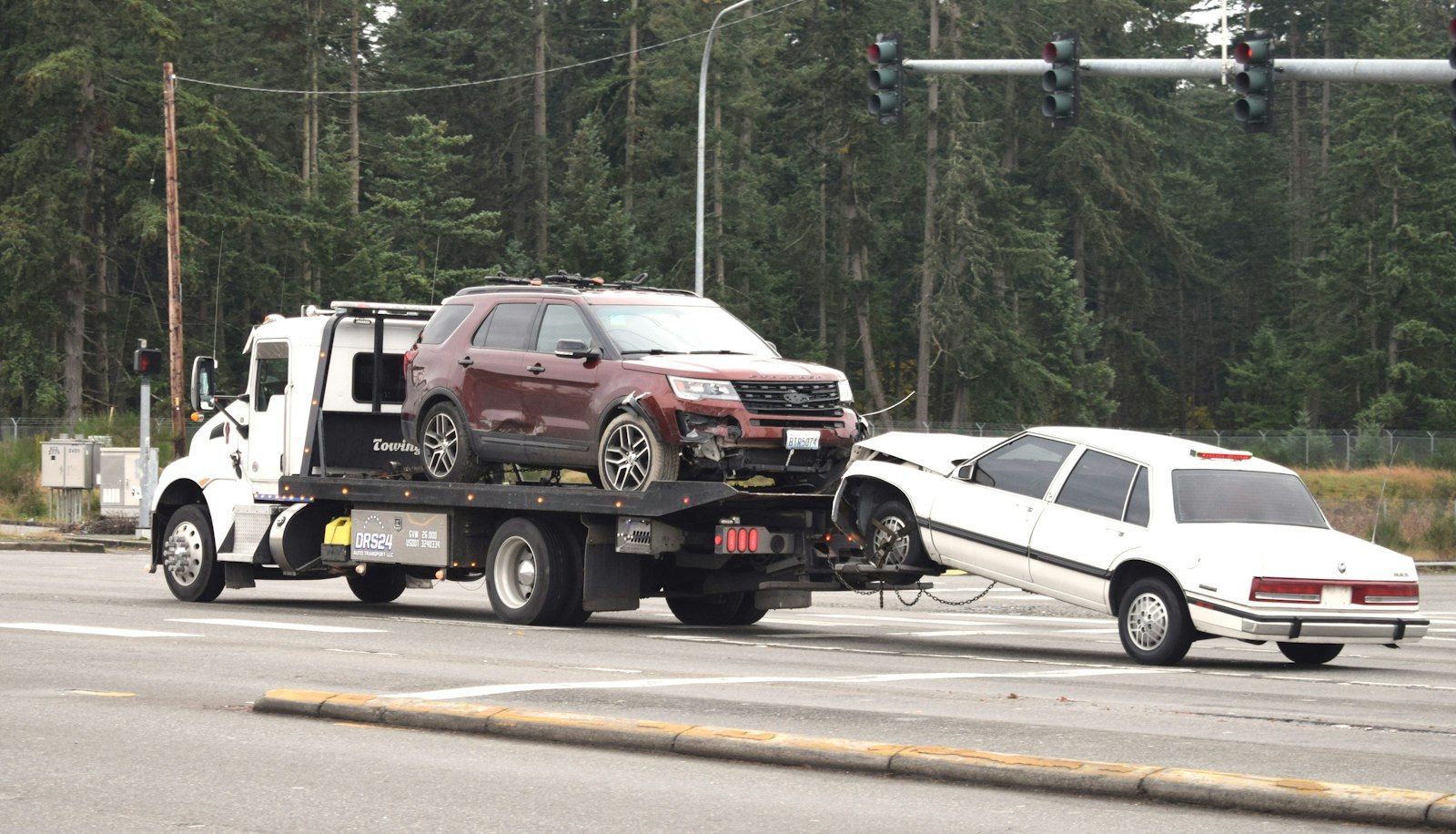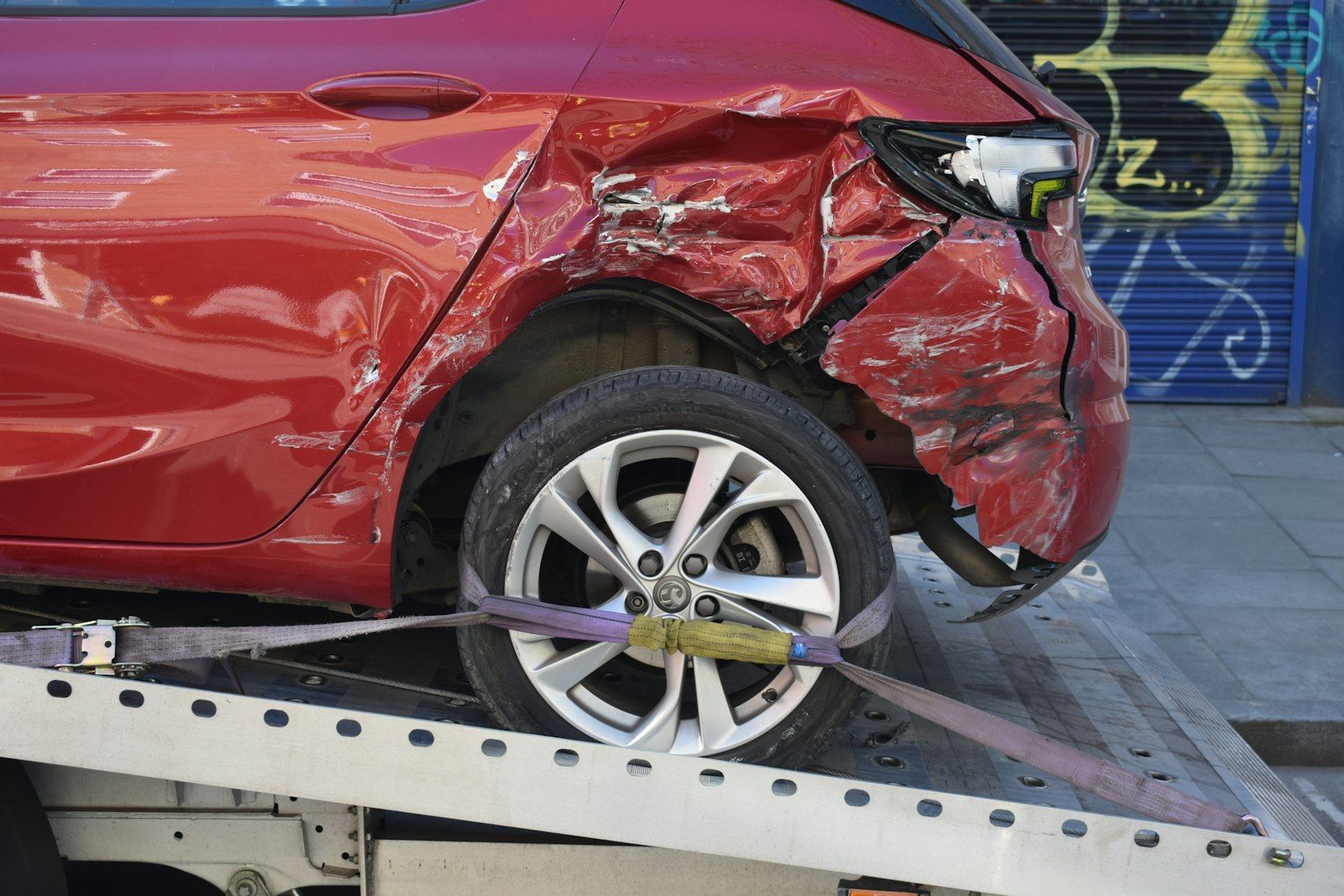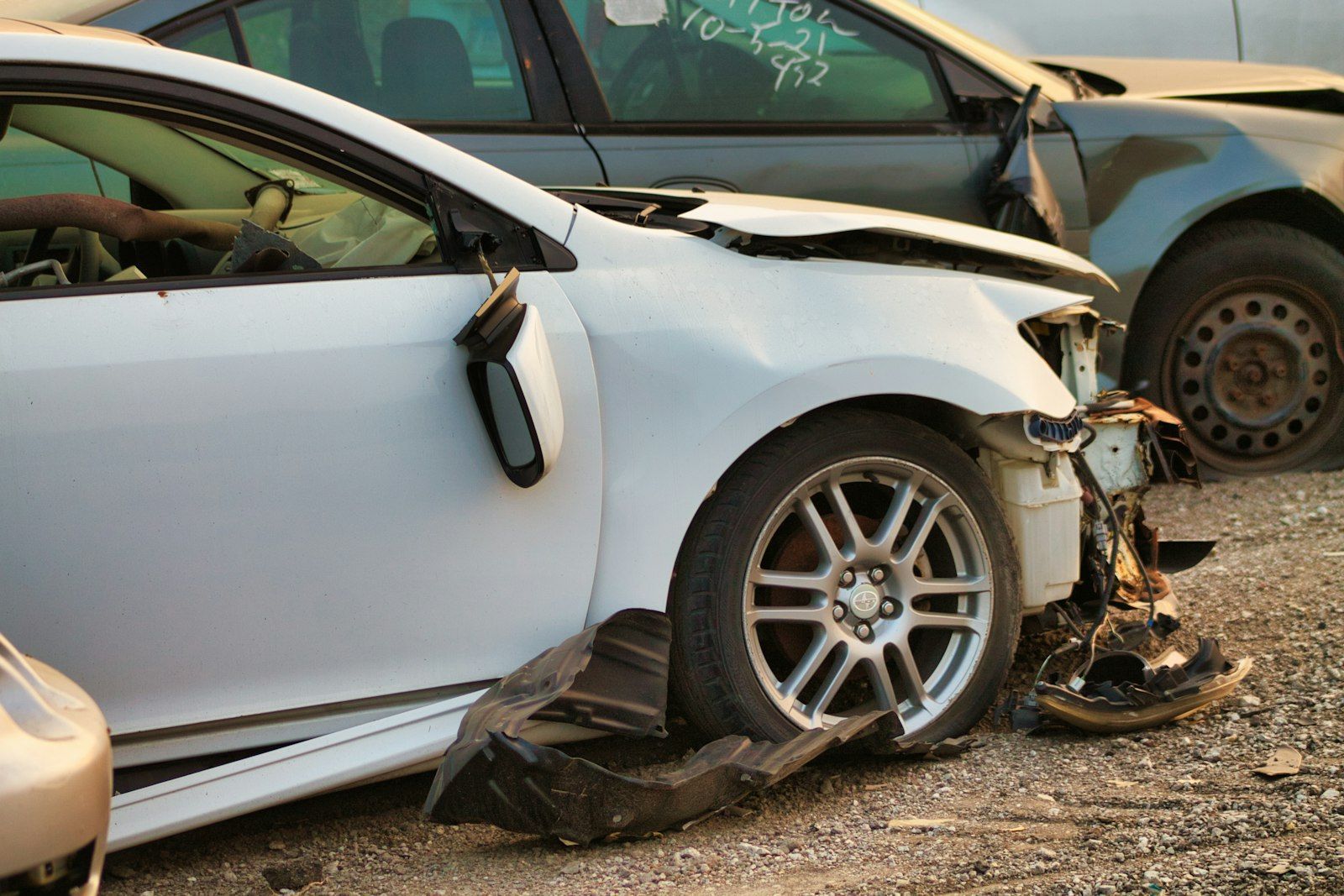

Insurers generally decide whether to repair or total a vehicle based on cost, within the limits set by state law. You cannot usually force the decision either way, but you can question the numbers behind it.
Disagreements over the repair-or-total decision go both directions. Some owners want their vehicle repaired and are told it is a total loss. Others believe their vehicle should be totaled because the damage is extensive, but the insurer approves repairs instead. In both cases, the decision comes back to the same comparison: repair cost against the vehicle's value.
Who Makes the Decision
The insurance company paying the claim decides whether to repair or total the vehicle. It compares the projected repair cost, and usually the vehicle's salvage value, against the vehicle's actual cash value. State law can set boundaries on that decision, such as a percentage threshold or salvage title requirements. Our guide to when a car is considered totaled explains how that comparison works.
When the Insurer Totals a Car You Want Repaired
If the repair cost crosses the insurer's threshold, it will usually total the vehicle and pay its value instead of paying for repairs. You generally cannot require the insurer to pay for repairs that cost more than the vehicle is worth.
Your options typically include:
- Review the repair estimate. Ask for the full estimate. An estimate that includes parts or operations that are not needed can push a repairable vehicle over the line.
- Review the valuation. If the actual cash value is understated, a vehicle can appear to be a total loss when it is not. A higher, accurate value may change the outcome.
- Keep the vehicle. Most insurers allow you to retain a totaled vehicle in exchange for a salvage deduction. See can you keep your car after it's totaled.
When the Insurer Repairs a Car You Think Should Be Totaled
If repair costs fall below the threshold, the insurer will usually choose to repair. You generally cannot require it to total a vehicle that can be repaired for less than its value. You can, however, make sure the repairs are done correctly and that you are compensated for what the accident cost you.
- Choose a qualified repair facility. In most states you have the right to choose where your vehicle is repaired.
- Request OEM repair procedures. Ask the shop to follow the manufacturer's repair procedures, especially for structural and safety systems.
- Have the repairs inspected. A post-repair inspection can confirm the work was completed properly.
- Consider diminished value. A repaired vehicle with an accident history is usually worth less than one that has never been damaged. Learn more in our guide on how to file a diminished value claim.
Supplements Can Change the Decision Later
Hidden damage often appears once a vehicle is taken apart. As supplemental estimates are added, a car that was approved for repair can cross the total loss threshold partway through the repair.
If that happens, the insurer may reverse course and total the vehicle. Ask your adjuster to keep you informed as supplements are approved.
If You Still Disagree
1 Ask for the numbers in writing
Request the repair estimate, any supplements, the valuation report, and the salvage value the insurer used.
2 Get an independent opinion
A second repair estimate or an independent valuation can show whether the insurer's numbers are reasonable.
3 Use your policy's dispute options
If the disagreement is about the vehicle's value or the amount of the loss, many policies include an appraisal clause. Our guide on disputing a total loss valuation explains how it works.
4 Contact your state insurance department
If you believe your claim was handled improperly, your state insurance department can explain your rights and accept complaints.
Frequently Asked Questions
Can I refuse to let my insurance company total my car?
You can usually decline to give up the vehicle by keeping it as owner-retained salvage, but the insurer will pay its value minus the salvage amount rather than paying for repairs. The vehicle may also need a salvage title.
Can I make my insurance company total my car?
Generally not. If the vehicle can be repaired for less than the insurer's total loss threshold, the insurer will usually choose to repair it. If supplements push the cost over the threshold, the insurer may total it later.
Does it matter whether I file with my insurer or the other driver's?
The decision process is similar either way. On a third-party claim, the at-fault driver's insurer makes the decision based on its estimate and valuation, and your own policy's appraisal clause generally does not apply against that insurer.
Think Your Total Loss Valuation Missed Something?
Premier Vehicle Valuation Specialists prepares independent, market-based total loss valuations and represents vehicle owners through the appraisal clause for a flat $449 fee.
Before you commit to anything, we review your claim information. If an appraisal is unlikely to make a meaningful difference, we will tell you.
This article provides general information about vehicle property damage claims and is not legal or tax advice. Insurance requirements, claim procedures, and available remedies vary by state, policy, and individual circumstances.