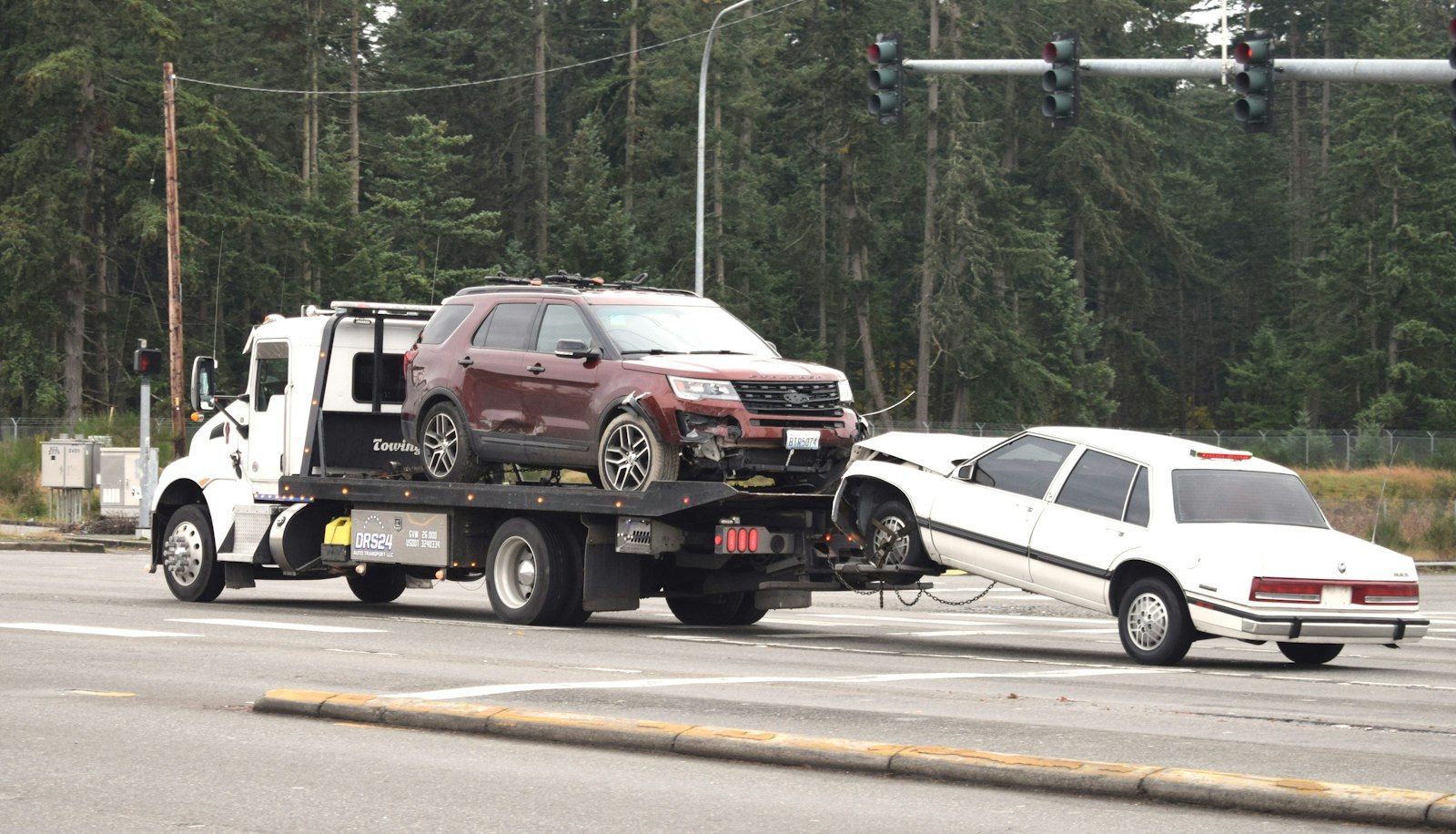

Often, yes. Many states require insurers to include sales tax and some title and registration fees in a total loss settlement. Because the rules vary, these items are worth checking line by line.
When your vehicle is totaled, replacing it costs more than the vehicle's price alone. You will typically pay sales tax on the replacement, a title transfer fee, and registration costs. Many states recognize this and require insurers to account for some or all of those costs in a total loss settlement.
These amounts are easy to overlook because they often appear as separate lines below the vehicle value. Here is what to look for.
What Replacement Costs May Be Included
| Item | How it is commonly handled |
| Sales tax | Often required on first-party claims, calculated on the vehicle's actual cash value. Some states require it only if you buy a replacement vehicle within a set period. |
| Title transfer fee | Included in many states, either automatically or with proof of purchase. |
| Registration fees | Some states require reimbursement of the unused portion of your registration or the cost of transferring registration. |
| License plate fees | Included in some states when plates must be replaced or transferred. |
The specifics depend on your state's insurance regulations, your policy, and whether the claim is first-party or third-party.
First-Party vs. Third-Party Claims
Claims Through Your Own Policy
Many states have insurance regulations that spell out what an insurer must pay on a first-party total loss, including whether sales tax and fees are owed and whether you must buy a replacement vehicle to receive them. These rules are part of your state's unfair claims settlement practices regulations.
Claims Against the At-Fault Driver's Insurer
On a third-party claim, what you can recover is generally based on your state's property damage law. In many states, the reasonable costs of replacing your vehicle, including sales tax and fees, are considered part of your loss. Practices vary, so ask the adjuster to explain how these items were handled.
Why Proof of Purchase Can Matter
In some states, insurers may pay sales tax and fees only after you buy a replacement vehicle, often within a set number of days and up to the amount that would have applied to your totaled vehicle. If that applies to you:
- Ask the adjuster how long you have to submit proof of purchase
- Keep the bill of sale, buyer's order, and registration receipt for the replacement
- Submit the documents promptly and keep copies of what you sent
- Confirm whether a leased or financed replacement qualifies
Check the Base Value First
Sales tax is usually calculated as a percentage of the vehicle's actual cash value. If the ACV is understated, the tax reimbursement is understated too.
Review the full valuation using our guide to how insurers determine actual cash value, and see your state's total loss guide for local rules.
How to Review Your Settlement
1 Ask for an itemized breakdown
Request a written breakdown showing the actual cash value, each adjustment, the deductible, sales tax, and every fee.
2 Confirm the tax rate
Sales tax is usually based on where the vehicle is registered or garaged. Make sure the rate matches your local rate.
3 Look for missing fees
If the breakdown does not include title or registration fees, ask whether your state requires them and what documentation you need.
4 Ask about timing
If tax and fees are paid only after a replacement purchase, confirm the deadline and the process in writing.
Frequently Asked Questions
Do I get sales tax back if I do not buy another car?
It depends on your state. Some states require insurers to include sales tax in every total loss settlement, while others require it only when you purchase a replacement vehicle within a certain period.
Is sales tax calculated on the settlement or on the replacement car?
Typically on the actual cash value of the totaled vehicle. If you buy a more expensive replacement, the extra tax on the difference is usually your responsibility.
What if the insurer left out sales tax and fees?
Ask the adjuster in writing whether your state and policy require them. If you believe they were omitted in error, you can request a revised settlement or contact your state insurance department for guidance.
Think Your Total Loss Valuation Missed Something?
Premier Vehicle Valuation Specialists prepares independent, market-based total loss valuations and represents vehicle owners through the appraisal clause for a flat $449 fee.
Before you commit to anything, we review your claim information. If an appraisal is unlikely to make a meaningful difference, we will tell you.
This article provides general information about vehicle property damage claims and is not legal or tax advice. Insurance requirements, claim procedures, and available remedies vary by state, policy, and individual circumstances.