
A car is "totaled" when the insurance company decides repairing it does not make financial sense. That decision usually comes down to a comparison between repair cost and value, with state law setting some of the rules.
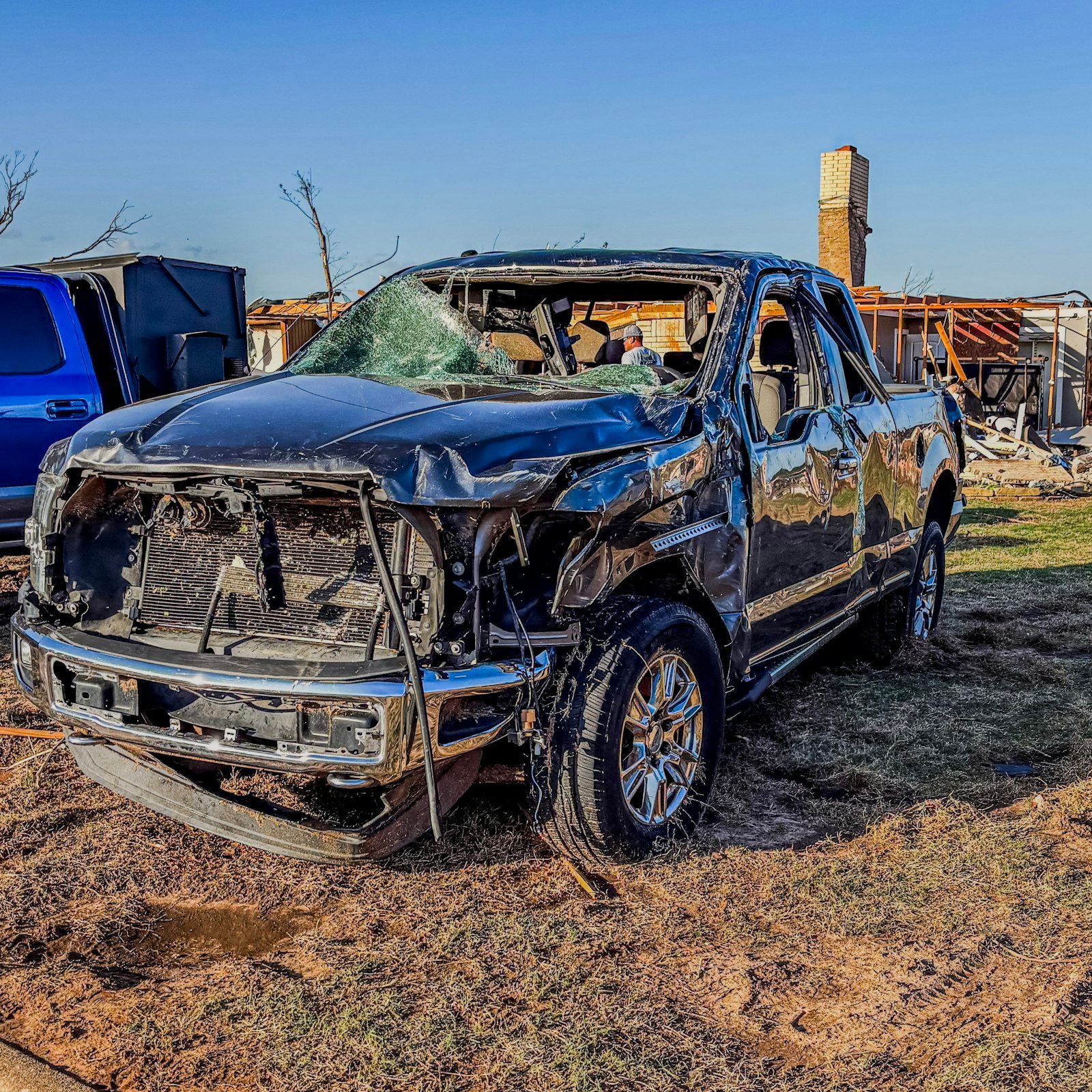
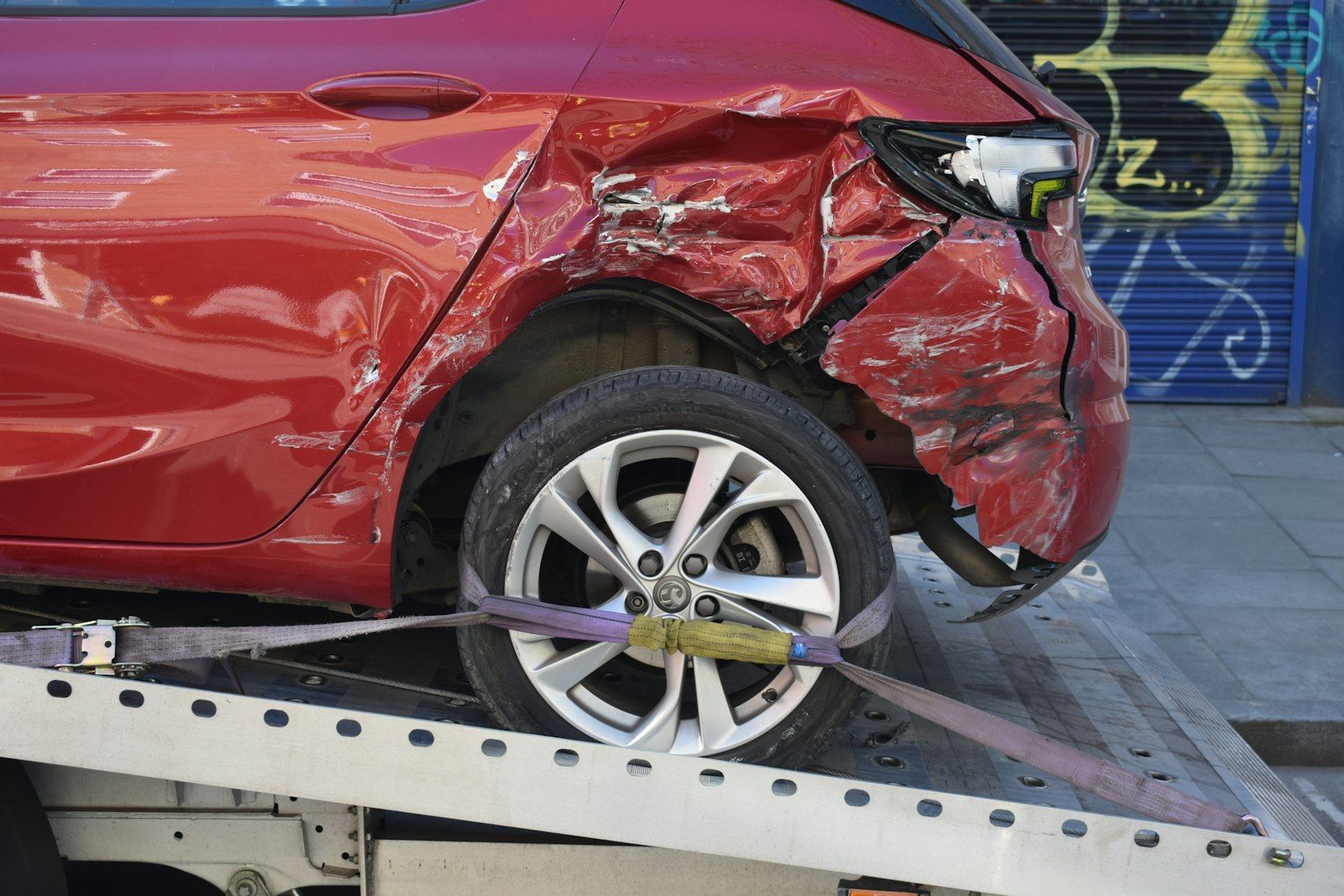
Many drivers are surprised when an insurer declares their vehicle a total loss. The damage may not look severe, the car may still drive, and a body shop may say it can be fixed. But "totaled" is not a description of how damaged a car looks. It is an economic decision about whether repairing the vehicle is worth more than paying out its value.
Here is how that decision is typically made, and what it means for your claim.
What "Totaled" Actually Means
A vehicle is considered a total loss when the cost to repair it, combined with other costs the insurer would carry, reaches or exceeds what the vehicle was worth immediately before the accident. That pre-accident value is called the actual cash value, or ACV.
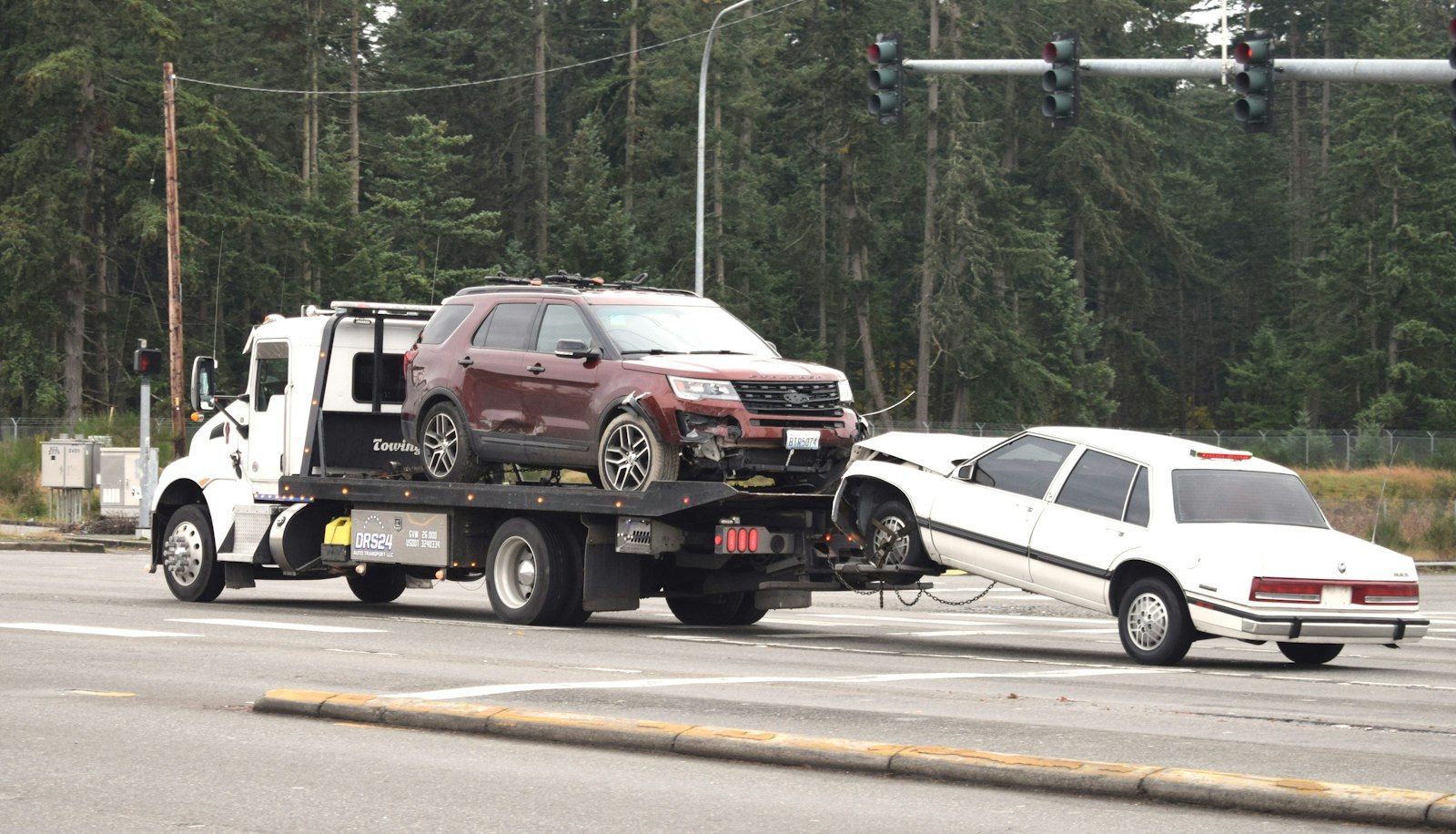
When a car is totaled, the insurance company pays the ACV (minus any deductible on your own policy) instead of paying for repairs. In most cases the insurer then takes ownership of the damaged vehicle and sells it at a salvage auction.
The Two Ways Insurers Decide a Car Is Totaled
1. A Total Loss Formula
Many insurers use what is often called a total loss formula. It compares the projected repair cost plus the vehicle's salvage value against its actual cash value:
| Factor | What it means |
| Repair cost | The estimated cost to return the vehicle to its pre-accident condition, often including expected supplements. |
| Salvage value | What the insurer expects to recover by selling the damaged vehicle at auction. |
| Actual cash value | What the vehicle was worth immediately before the accident. |
If repair cost plus salvage value is greater than the actual cash value, paying out the vehicle's value is the less expensive option for the insurer, so the car is declared a total loss.
2. A Percentage Threshold
Some states set a percentage threshold, such as repair costs reaching 70%, 75%, or 80% of the vehicle's value. In other states, the percentage written into law controls something different: when a damaged vehicle has to be given a salvage title, rather than when an insurer must total it.
That distinction matters. A number you have heard quoted for your state may describe a titling rule, not the test your insurer applies to your claim. Our state guides break down how the rules work where you live, including the statute that applies.
Why a Car Can Be Totaled When the Damage Looks Minor
Modern vehicles cost far more to repair than they did even a decade ago. Several factors can push a moderately damaged car past the total loss line:
- Sensors and driver-assistance systems. Bumpers, mirrors, and windshields often contain cameras and radar units that must be replaced and calibrated.
- Airbag deployment. Replacing airbags, seat belt pretensioners, and control modules can add thousands of dollars.
- Structural repairs. Frame and unibody damage requires specialized equipment and labor.
- Parts prices and availability. Higher parts costs and longer wait times increase the total repair cost.
- Vehicle age and value. On an older vehicle with a lower ACV, even a moderate repair bill can approach the vehicle's value.
- Electric vehicle batteries. Damage near a high-voltage battery pack can make repair impractical or very expensive.
Hidden damage also plays a role. An initial estimate may only reflect what is visible. Once a shop removes panels, additional damage often appears, and the insurer may project those supplements in advance when deciding whether to total the car.
What Happens After Your Car Is Declared a Total Loss
1 The insurer prepares a valuation
The insurance company determines the vehicle's actual cash value, usually through a valuation report that compares your vehicle to similar vehicles for sale or recently sold in your area. You can read more in our guide to how insurers determine actual cash value.
2 You receive a settlement offer
The offer is based on the ACV, adjusted for your deductible on a first-party claim. Depending on your state and policy, it may also include sales tax, title, and registration fees.
3 The loan or lease is paid first
If there is a lien on the vehicle, the insurer pays the lender directly. Any remaining balance goes to you.
4 Title and ownership transfer
You sign the title over to the insurer and remove your personal belongings. If you want to keep the vehicle, many insurers allow you to retain it in exchange for a lower payout.
Review the Valuation Before You Accept
The settlement amount is only as accurate as the valuation behind it. Check that the report lists the correct trim level, options, mileage, and condition, and that the comparable vehicles are genuinely similar to yours.
If you disagree with the value, our guide on how to dispute a total loss valuation walks through your options, including the appraisal clause.
Can You Ask the Insurer Not to Total Your Car?
Once repair costs cross the insurer's threshold or a state's legal threshold, the decision is generally the insurer's to make. You can usually choose to keep the vehicle, but the payout will be reduced by its salvage value, and the vehicle may carry a branded title.
If you believe the car should not have been totaled, ask the insurer for the repair estimate and the valuation it used. Errors in either one, such as a repair estimate that overstates the work needed or a valuation that misses options, can change the outcome.
Frequently Asked Questions
Is a car totaled if the repairs cost more than it is worth?
Generally, yes. When the cost to repair a vehicle reaches or exceeds its actual cash value, insurers almost always declare it a total loss. Many insurers total a vehicle well before repairs reach 100% of its value because they also account for salvage value and the risk of additional hidden damage.
Does a totaled car always get a salvage title?
Not always. Titling rules are set by each state. In many states, a vehicle must be branded salvage once an insurer declares it a total loss or once damage crosses a set percentage of its value, but the specific rules and exceptions vary.
Can a car be totaled without frame damage?
Yes. A vehicle can be totaled because of airbag deployment, sensor and electronics damage, flood damage, or simply because the repair cost is high relative to the vehicle's value. Frame damage is common in total losses but is not required.
Who decides whether my car is totaled?
The insurance company paying the claim makes the decision based on its repair estimate, the vehicle's actual cash value, and any thresholds set by state law. On a third-party claim, that is the at-fault driver's insurer. On a first-party claim, it is your own insurer.
Think Your Total Loss Valuation Missed Something?
Premier Vehicle Valuation Specialists prepares independent, market-based total loss valuations and represents vehicle owners through the appraisal clause for a flat $449 fee.
Before you commit to anything, we review your claim information. If an appraisal is unlikely to make a meaningful difference, we will tell you.
This article provides general information about vehicle property damage claims and is not legal or tax advice. Insurance requirements, claim procedures, and available remedies vary by state, policy, and individual circumstances.