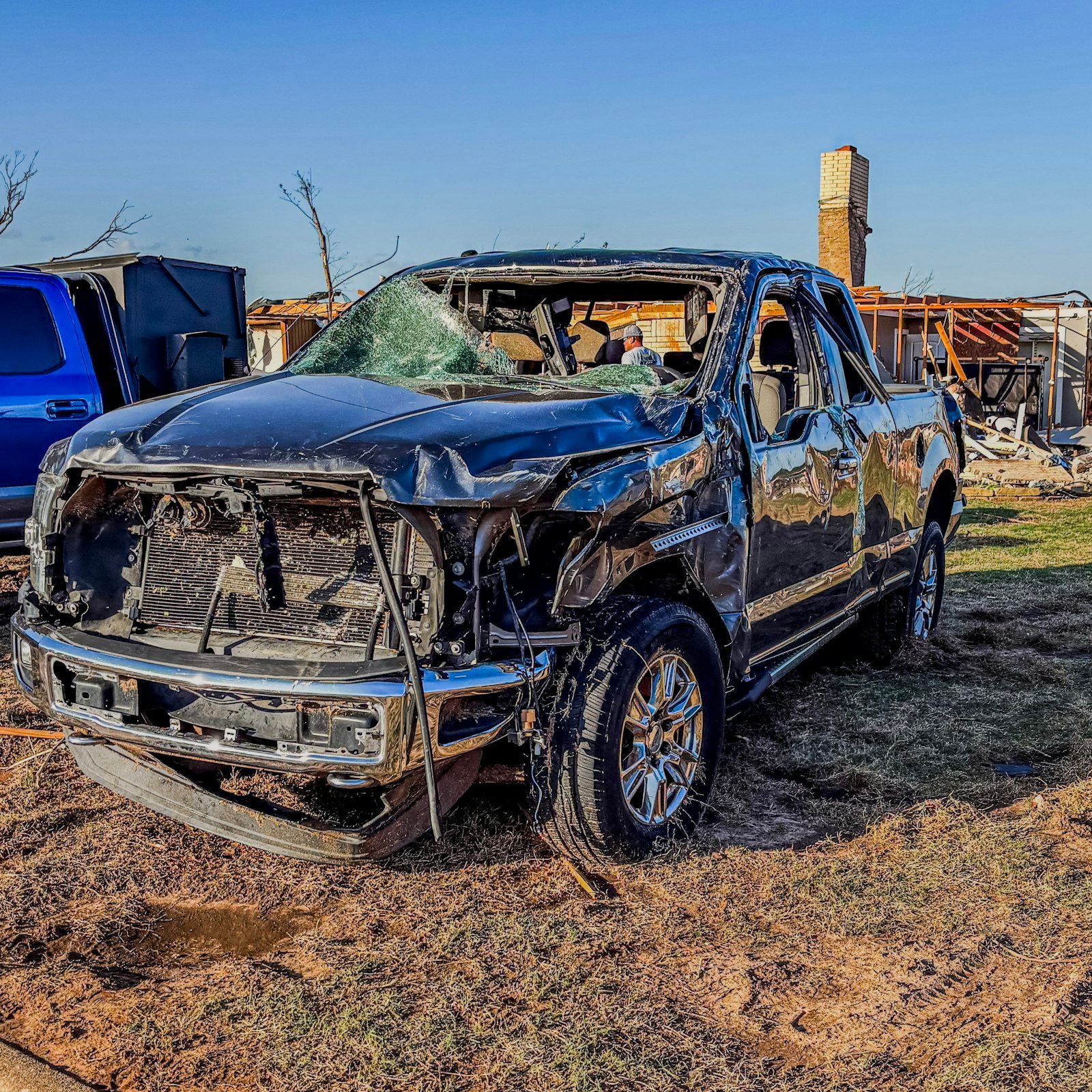

When your car is totaled, the settlement is built on one number: the vehicle's actual cash value. Understanding how that number is calculated is the first step in knowing whether your offer is accurate.
Actual cash value, or ACV, is what your vehicle was worth immediately before the accident. It is not what you paid for the car, what you owe on it, or what it would cost to buy a brand-new replacement. It is a market value: what a buyer would reasonably have paid for your specific vehicle, in its pre-accident condition, in your local market.
Most insurers determine ACV with a valuation report produced by a third-party valuation provider. Here is how those reports work and what goes into the final number.
Where the Value Comes From
Most total loss valuations start with comparable vehicles: vehicles of the same year, make, model, and trim that are currently for sale or recently sold near you. The valuation provider gathers these listings and sales, then adjusts each one to account for differences from your vehicle.
Depending on the insurer and your state, the valuation may also draw on:
- Dealer quotes for comparable vehicles
- Recent sales data from dealers and auctions
- Published valuation guides
- Advertised listings from dealer and private-party sources
Some states have regulations that specify which methods an insurer may use and how comparable vehicles must be selected. Your state's total loss guide covers the rules that apply where you live.
The Adjustments That Move the Number
No two vehicles are identical, so each comparable is adjusted up or down to match your vehicle. The most common adjustments are:
| Adjustment | What it accounts for |
| Mileage | Your vehicle's odometer reading compared with each comparable's. |
| Options and packages | Equipment your vehicle has or lacks, such as technology packages, upgraded wheels, or towing equipment. |
| Trim level | Differences between trim levels, which can be significant on trucks and luxury vehicles. |
| Condition | Your vehicle's pre-accident condition relative to a typical vehicle of its age, including interior, exterior, tires, and mechanical condition. |
| Prior damage | Unrepaired damage that existed before the accident. |
| Pricing adjustments | Some valuations adjust advertised prices to reflect what vehicles typically sell for, since list prices are often negotiated down. |
After these adjustments, the comparables are averaged or weighted to produce a base value, which then becomes the starting point for your settlement.
Why ACV Is Often Different From Book Value
Many vehicle owners check Kelley Blue Book or a similar guide and find a number that does not match the insurer's valuation. That is common, and it does not necessarily mean either number is wrong.
Published guides estimate value from broad national or regional data and a few owner-selected inputs. A total loss valuation is meant to reflect what similar vehicles actually cost in your local market, with adjustments for your vehicle's specific equipment and condition. Local supply, demand, and pricing can push the actual market value above or below a guide value.
Book values are a useful reference point. The more meaningful question is whether the comparable vehicles in your valuation are truly comparable and whether the adjustments are accurate.
What Is Included in the Final Settlement
Your settlement usually starts with the ACV and then reflects other items:
- Deductible. On a claim through your own policy, your collision or comprehensive deductible is typically subtracted.
- Sales tax. Many states require insurers to include sales tax in a total loss settlement, sometimes only when you buy a replacement vehicle within a set time.
- Title and registration fees. Some states require these to be included as well.
- Salvage retention. If you choose to keep the vehicle, its salvage value is deducted.
How to Review Your Valuation Report
Ask the insurer for a complete copy of the valuation report, not just the final number. Then work through it carefully:
1 Confirm your vehicle's details
Check the VIN, trim level, engine, drivetrain, mileage, and every option and package. A missing package or the wrong trim can change the value by thousands of dollars.
2 Look closely at the comparables
Are they the same trim and similar mileage? Are they located reasonably close to you? Were they actually available for sale, or are some of them salvage, rebuilt, or high-mileage outliers?
3 Check the condition rating
Compare the condition adjustment with photos and records of your vehicle before the accident. Recent tires, brakes, and maintenance support a better condition rating.
4 Review every deduction
Make sure prior-damage and condition deductions are supported by documentation rather than assumptions.
Gather Your Supporting Documents
Maintenance records, recent repair invoices, the original window sticker, and dated photos of your vehicle before the accident are the most useful evidence when questioning a valuation.
If the insurer does not change its valuation, you may have options. Our guide on disputing a total loss valuation explains the appraisal clause and when it makes sense to use it.
Frequently Asked Questions
Is actual cash value the same as replacement cost?
No. Actual cash value reflects what your vehicle was worth before the accident, accounting for age, mileage, and condition. Replacement cost would be the price of a new equivalent vehicle. Standard auto policies pay actual cash value unless you have added new car replacement or similar coverage.
Does the amount I owe on my loan affect actual cash value?
No. ACV is based on the vehicle's market value, not on your loan balance. If you owe more than the vehicle is worth, gap insurance may cover some or all of the difference.
Do aftermarket parts increase actual cash value?
Sometimes. Aftermarket equipment that adds market value may be considered, but it is often valued at less than what you paid. Some policies limit coverage for custom equipment unless it was added to the policy, so check your policy's custom parts and equipment provisions.
Can I see the comparable vehicles the insurer used?
In most cases, yes. Ask the insurer for the full valuation report, which normally lists each comparable vehicle and the adjustments applied to it.
Think Your Total Loss Valuation Missed Something?
Premier Vehicle Valuation Specialists prepares independent, market-based total loss valuations and represents vehicle owners through the appraisal clause for a flat $449 fee.
Before you commit to anything, we review your claim information. If an appraisal is unlikely to make a meaningful difference, we will tell you.
This article provides general information about vehicle property damage claims and is not legal or tax advice. Insurance requirements, claim procedures, and available remedies vary by state, policy, and individual circumstances.