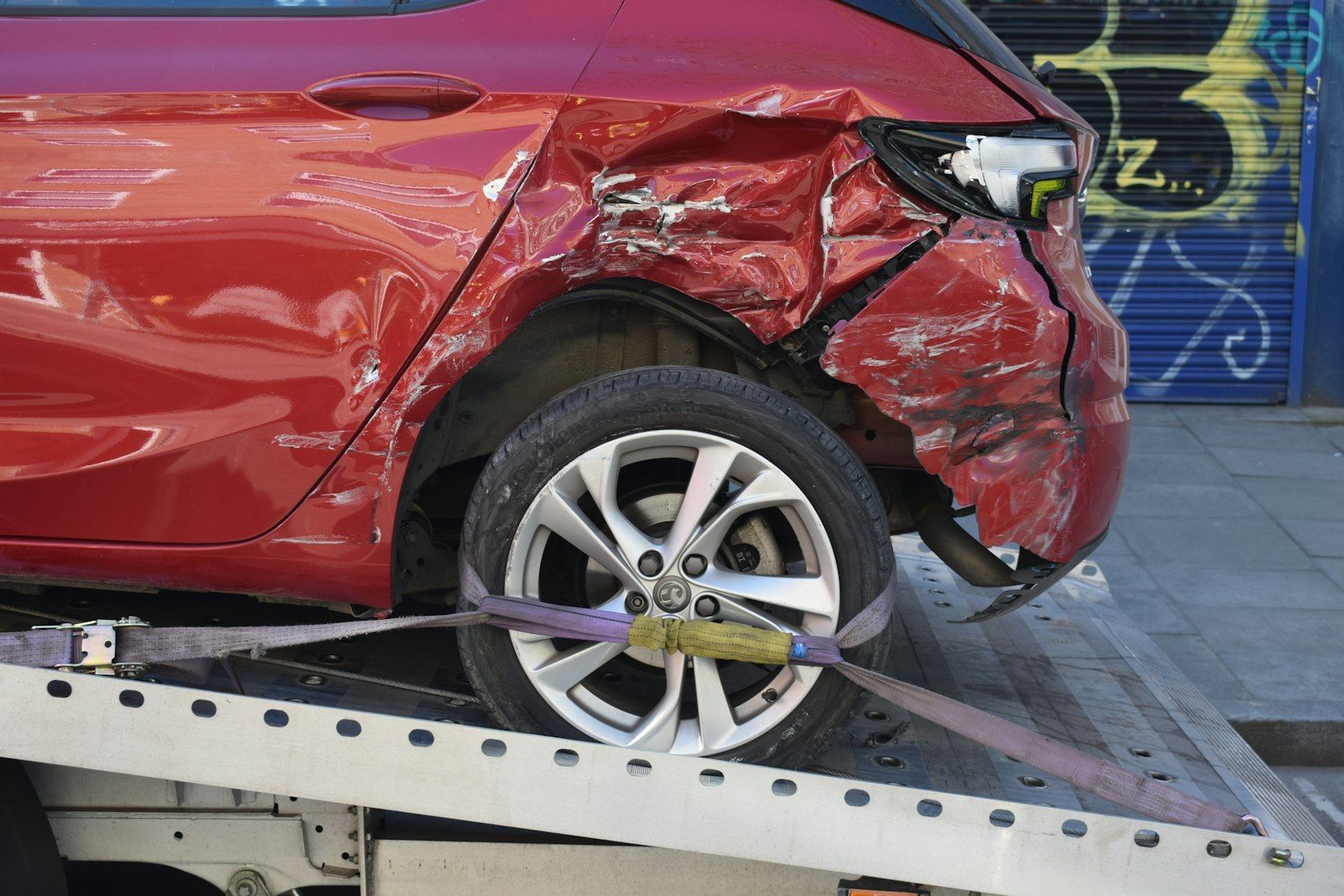

Many total loss claims are settled within a few weeks of the accident. Disputed fault, loan payoffs, missing paperwork, and disagreements over value are the most common reasons a claim takes longer.
After a total loss, most people want two things: a fair settlement and a quick one. While every claim is different, total loss claims tend to follow the same stages. Knowing what happens at each one, and what slows it down, can help you keep your claim moving.
A Typical Total Loss Timeline
| Stage | Typical timing |
| Claim reported and assigned to an adjuster | Within a few days |
| Vehicle inspected and repair estimate written | Several days to two weeks |
| Total loss decision | Often shortly after the estimate |
| Valuation report and settlement offer | Several days to two weeks after the total loss decision |
| Paperwork signed and title transferred | Depends on how quickly documents are returned |
| Payment issued | Often within days to a few weeks of an agreed settlement |
These timeframes are general. Many states have regulations that set deadlines for insurers to acknowledge a claim, investigate it, and pay after a settlement is reached. Your state guide covers the rules where you live.
What Can Slow a Total Loss Claim Down
Disputed Fault
On a claim against the other driver's insurer, payment usually waits until that insurer accepts liability. If fault is unclear, going through your own collision coverage may be faster.
Loan and Lease Payoffs
The insurer has to obtain a payoff letter from your lender, pay the lender, and receive the title or lien release. Lender response times are one of the most common sources of delay.
Missing Documents
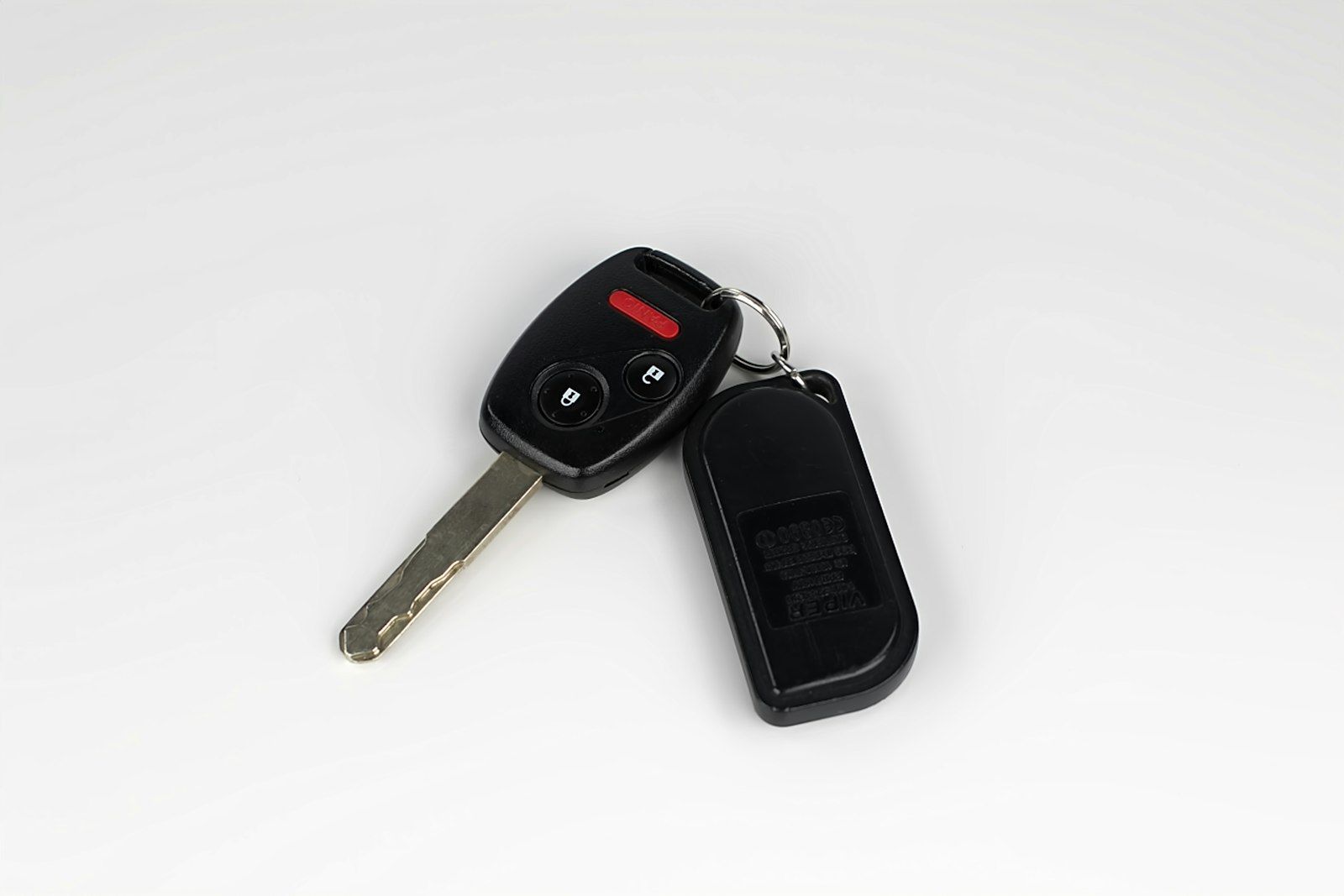
Insurers typically need the signed title, a power of attorney or other transfer forms, the lien release, all keys and fobs, and sometimes odometer disclosure statements. Missing or incorrectly signed documents can add weeks.
Storage and Vehicle Location
If the vehicle is at a tow yard or body shop, the insurer has to locate it, inspect it, and arrange to move it. Storage fees can also become part of the discussion.
Disagreements Over Value
If you question the valuation, the insurer may review additional information and revise the offer. If you cannot agree, the appraisal clause in many policies provides a way to resolve the value, which adds time but can lead to a more accurate settlement.
Watch Your Rental Coverage
Rental coverage on your own policy usually has a daily limit and a maximum number of days, and many insurers end rental coverage a few days after they make a settlement offer. On a third-party claim, the at-fault insurer typically limits rental to a reasonable period.
Ask your adjuster exactly when rental coverage ends so you can plan for a replacement vehicle.
How to Keep Your Claim Moving
1 Respond quickly
Return calls, emails, and signed documents promptly, and ask the adjuster for a list of everything needed to finalize the claim.
2 Contact your lender early
Let your lender know the vehicle is a total loss and ask how it will provide the payoff letter and lien release to the insurer.
3 Gather your vehicle records
Collect maintenance records, receipts for recent work, the original window sticker, and photos of the vehicle before the accident. These help support an accurate valuation.
4 Review the valuation right away
Check the valuation report as soon as you receive it, rather than after rental coverage has ended. Our guide to how insurers determine actual cash value explains what to look for.
5 Keep everything in writing
Confirm conversations by email and keep copies of every document you send and receive.
What If You Disagree With the Offer?
You do not have to accept the first offer if you believe it does not reflect your vehicle's value. Taking a short time to review the valuation and provide supporting documents is usually worth it. If you cannot reach an agreement, our guide on how to dispute a total loss valuation explains your options, including the appraisal clause.
Frequently Asked Questions
How long does an insurance company have to pay a total loss claim?
It depends on your state. Many states have regulations requiring insurers to pay within a set number of days after a settlement is agreed or after required documents are received. Check your state insurance department's rules.
Does the appraisal clause make the claim take much longer?
It adds time, often several weeks, because each side's appraiser has to review the vehicle's value and try to reach agreement, with an umpire deciding any remaining difference. For many owners, a more accurate settlement is worth the extra time.
Can I get paid before the title is transferred?
Insurers generally require the title or lien release before issuing final payment, since they are taking ownership of the vehicle. Some may issue partial payments in specific situations.
Think Your Total Loss Valuation Missed Something?
Premier Vehicle Valuation Specialists prepares independent, market-based total loss valuations and represents vehicle owners through the appraisal clause for a flat $449 fee.
Before you commit to anything, we review your claim information. If an appraisal is unlikely to make a meaningful difference, we will tell you.
This article provides general information about vehicle property damage claims and is not legal or tax advice. Insurance requirements, claim procedures, and available remedies vary by state, policy, and individual circumstances.