

When Property Division Stalls in a Utah Divorce: The House, the Vehicles, and What to Do Next
The house and the vehicles are usually what stalls a settlement — here's how to get real numbers and keep the case moving.
Most divorcing couples can agree on the big picture faster than they expect. What actually stalls a settlement is rarely the principle of "who gets what" — it's the details underneath it: what the major assets are actually worth, and how to divide property that can't simply be split down the middle.
Utah divides marital property equitably rather than splitting everything down the middle, so getting a fair result depends on both spouses working from the same accurate values. The two assets that cause the most delay are almost always the marital home and the vehicles.
Why Property Division Gets Stuck
- No agreed-upon value: one spouse thinks the house — or the truck, or the RV — is worth more than the other believes, and neither side has anything but an opinion to point to.
- One spouse stays in the home: without a clear plan for a buyout, refinance, or sale, the house sits in limbo while carrying costs keep accumulating.
- Vehicles get divided informally: "You keep your car, I keep mine" sounds simple, but without a real number behind each vehicle, neither spouse actually knows whether the split is even.
- Nobody wants to be the one who pushes: raising the issue of value can feel confrontational, so it gets avoided — and the case sits.
Getting the House Unstuck
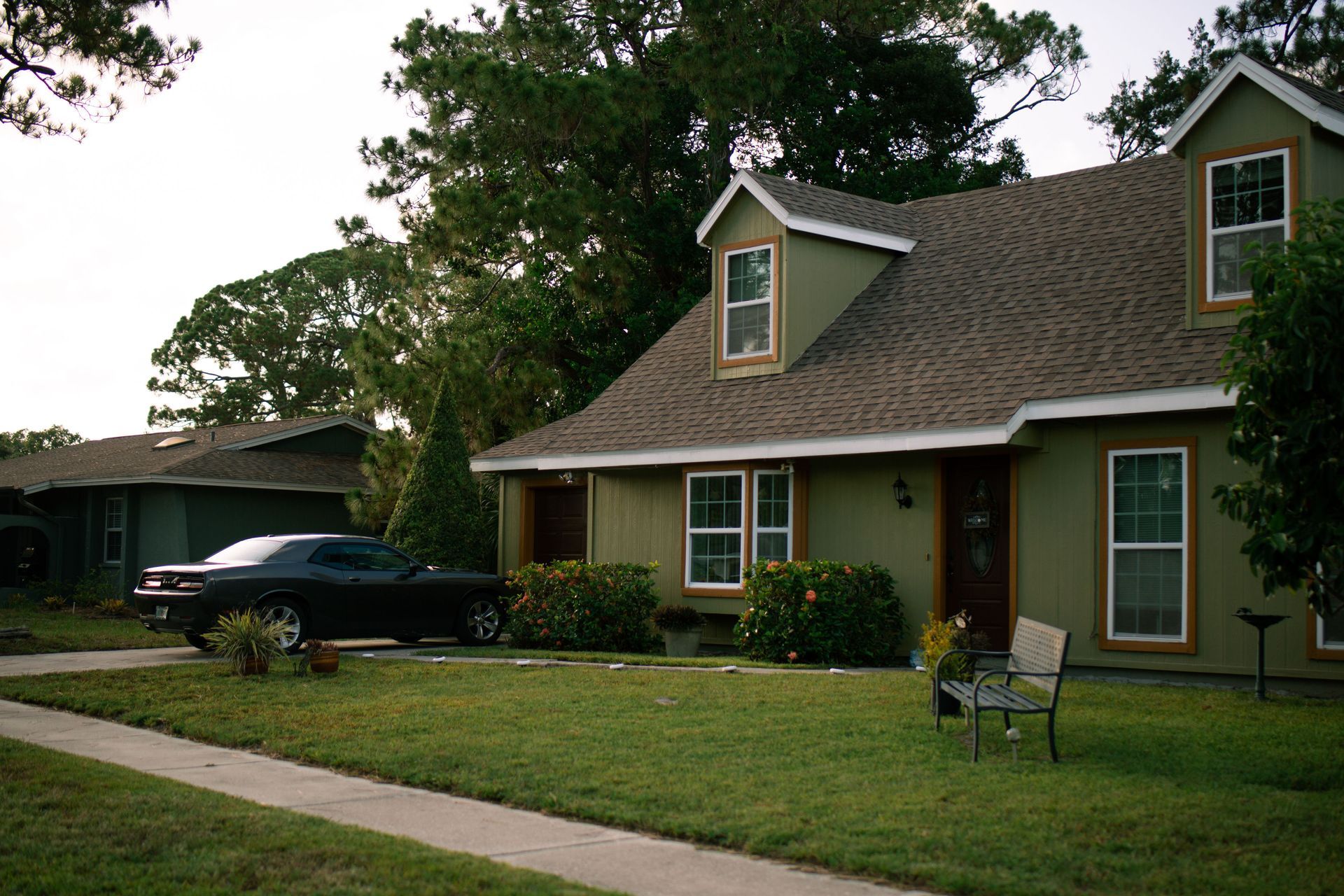
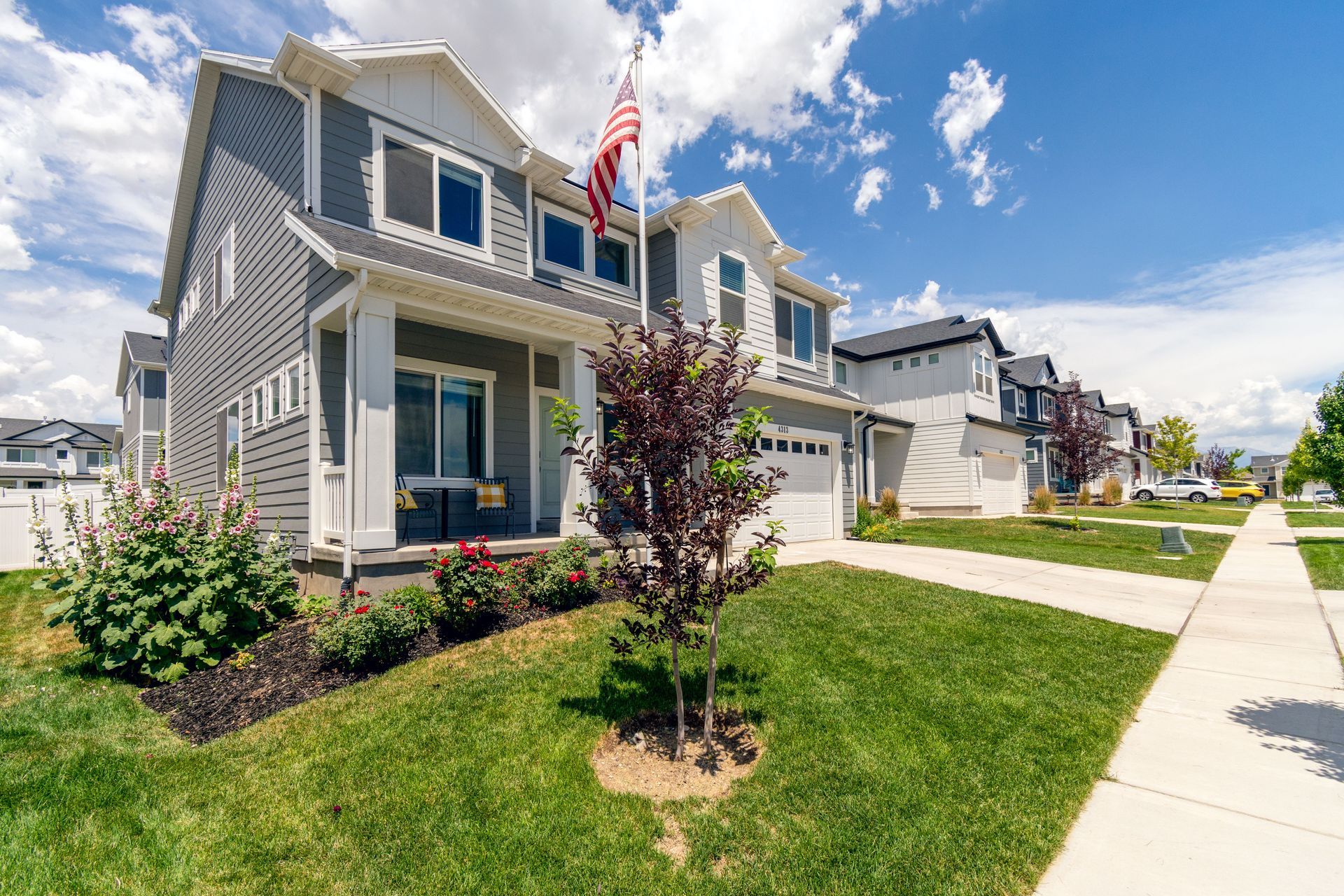
The marital home is usually the largest asset in the estate, and it's also the one most likely to get handled the wrong way. A well-meaning friend or family member with a real estate license can end up representing one spouse's interests more than the other's — and that imbalance often turns a house sale into another point of conflict.
Usually there are only a few ways forward: sell the home and split the proceeds, have one spouse refinance and buy out the other's share, or agree to a deferred sale down the road. Each option depends on knowing what the home is actually worth and what's really left after the mortgage, so an accurate number needs to come before that decision, not after.
A real estate professional who specifically works with divorcing homeowners approaches the sale differently than a general agent would. They're used to working alongside family law attorneys and mediators, following court orders, and keeping both spouses informed at the same time rather than favoring whoever brought them in. They can also put together a realistic net proceeds estimate up front, which is often what a buyout or listing decision actually hinges on, and they know how to keep a sale on track if one spouse starts dragging things out.
That kind of specialization matters because the cost of doing nothing is real. Every month the house sits unresolved is another month of mortgage payments, property taxes, insurance, and upkeep — usually paid by someone who may not even end up keeping the house.
In Utah, Gordon Real Estate Group specializes in exactly this — real estate services built around divorce cases, from establishing a timeline and estimating net proceeds to managing the sale as a neutral third party for both spouses.
Getting the Vehicles Unstuck
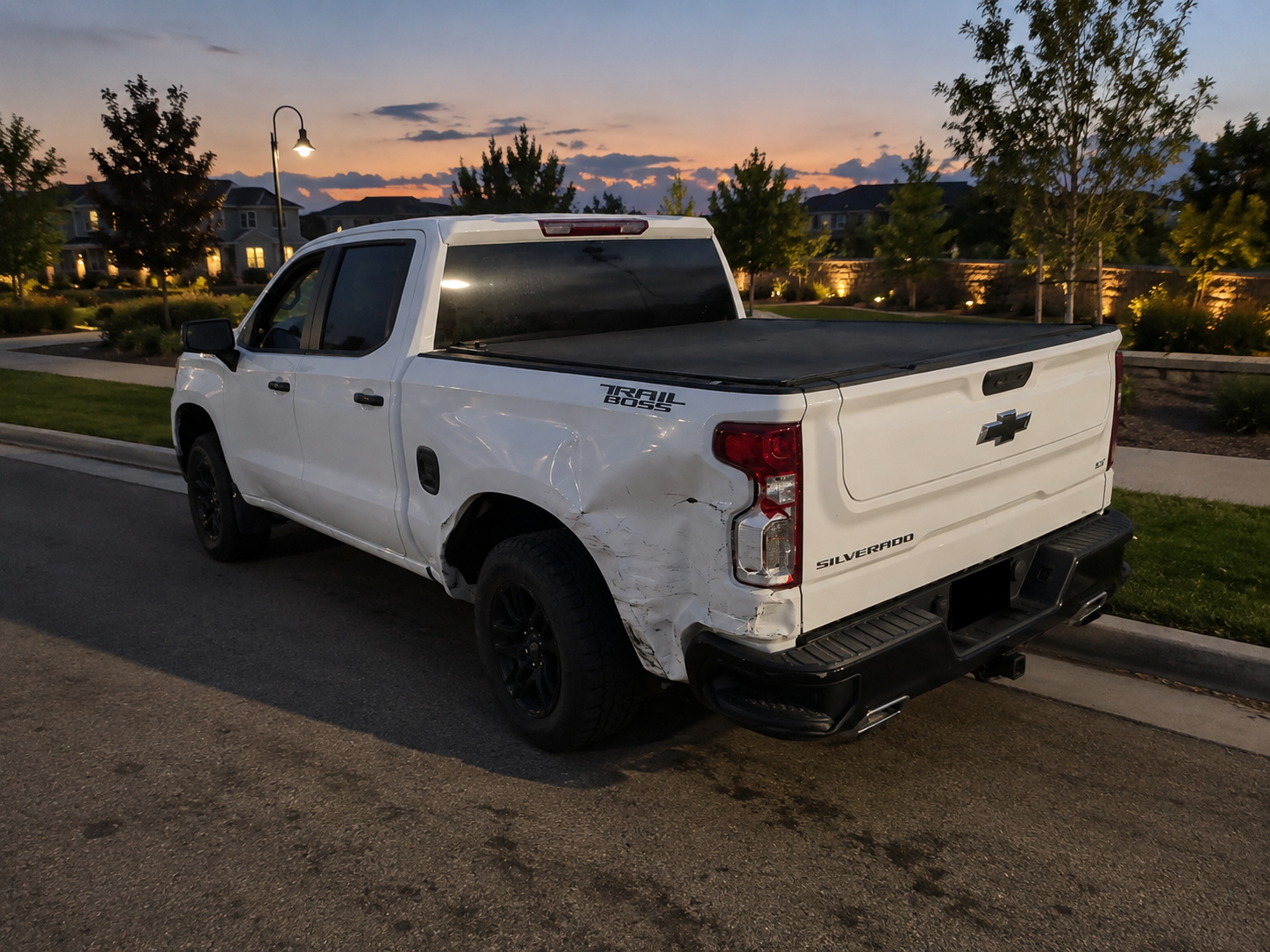
Vehicles get far less attention than the house, but they're property too, and a car, truck, RV, or motorcycle can carry more equity than either spouse realizes. Before finalizing who keeps which vehicle, it's worth confirming what each one is actually worth in the current market — not what it sold for new, not what a loan payoff says, and not a rough guess.
A number from an online value guide is a reasonable starting point for everyday purposes, but it's rarely enough to settle a disagreement in a contested divorce. Those guides work off general averages, not the specific vehicle in front of you, and they won't hold up well if the other spouse — or their attorney — pushes back on the number. What settles it is a documented, market-based appraisal report that shows exactly how the value was reached and can stand up to scrutiny on both sides.
That matters most when:
- The vehicles being split aren't comparable in age, mileage, or condition
- A specialty vehicle — an RV, motorcycle, or powersports vehicle — is part of the split
- One vehicle was owned before the marriage or was a gift, and it isn't clear how that affects the split
- One spouse simply isn't confident the numbers being used are accurate
- The two sides are working from different values and need a neutral number to settle on
An independent appraisal looks at the specific vehicle rather than a generic model-year average — its actual mileage, condition, equipment, and modifications — and backs up the resulting value with comparable sales so there's a documented basis for the number, not just an opinion. That report is something both spouses, their attorneys, or a mediator can look at and work from, whether the case settles at the kitchen table or needs to go in front of a judge.
Premier Diminished Value Specialists, based in Salt Lake City, provides independent, market-based vehicle valuations nationwide, including for specialty and powersports vehicles. Request an evaluation if a vehicle's value is part of what's holding up your settlement.
Getting the Case Moving Again
If property division has stalled, the fastest way forward is usually the same in every case: get real, independent numbers for the assets in question before continuing the negotiation. That means an accurate valuation for the home and, separately, for any vehicle whose value is in question — from a neutral source both spouses can trust, rather than a guess, an old estimate, or a number one side is simply asserting. Once the house and the vehicles are valued accurately, most of what felt stuck tends to resolve on its own. The disagreement usually wasn't about fairness — it was about not having the same facts to work from.
This article provides general information about property division in Utah divorces and is not legal advice. Divorce proceedings and available remedies vary by individual circumstances. Consult a Utah family law attorney for guidance specific to your case.