
In many cases, yes. Most insurers let you keep a totaled vehicle in exchange for a smaller settlement. Before you decide, it helps to understand what you give up and what comes with a salvage title.
When a vehicle is declared a total loss, the insurance company normally pays its actual cash value and takes the vehicle, then sells it at a salvage auction to recover part of the cost. Keeping the vehicle instead is called owner retention or retaining salvage.
Owner retention can make sense in the right situation, but it is not free money. Here is how it works.
How Owner Retention Works
If you keep the vehicle, the insurer deducts the vehicle's salvage value from your settlement. Salvage value is the amount the insurer expects it would have received by selling the damaged vehicle at auction.
| Example | Amount |
| Actual cash value | $18,000 |
| Less deductible (first-party claim) | -$500 |
| Less salvage value | -$3,200 |
| Settlement if you keep the vehicle | $14,300 |
You keep the vehicle and receive $14,300 instead of $17,500. Whether that trade makes sense depends on what it will cost to repair the vehicle and what it will be worth afterward.
What You Need to Know Before Keeping a Totaled Car
The Title Will Likely Be Branded
In most states, a vehicle that has been declared a total loss must be titled as salvage. A salvage vehicle generally cannot be registered or driven on public roads until it has been repaired and passed a state inspection, after which it may receive a rebuilt or reconstructed title. The exact rules and terms vary by state.
A Branded Title Lowers Resale Value
Even after quality repairs, a vehicle with a salvage or rebuilt history typically sells for significantly less than a comparable vehicle with a clean title. Many dealers will not buy them at all, and some buyers avoid them entirely.
Insurance Options May Be Limited
Some insurers will only offer liability coverage on a rebuilt vehicle, and others may require an inspection before providing collision and comprehensive coverage. Check with your insurer before you commit.
Financing Must Be Paid Off
If you have a loan or lease, the lender has an ownership interest in the vehicle. The lien usually needs to be satisfied before you can keep it. If you owe more than the reduced settlement, you may need to cover the difference.
Not Every Vehicle Can Be Retained
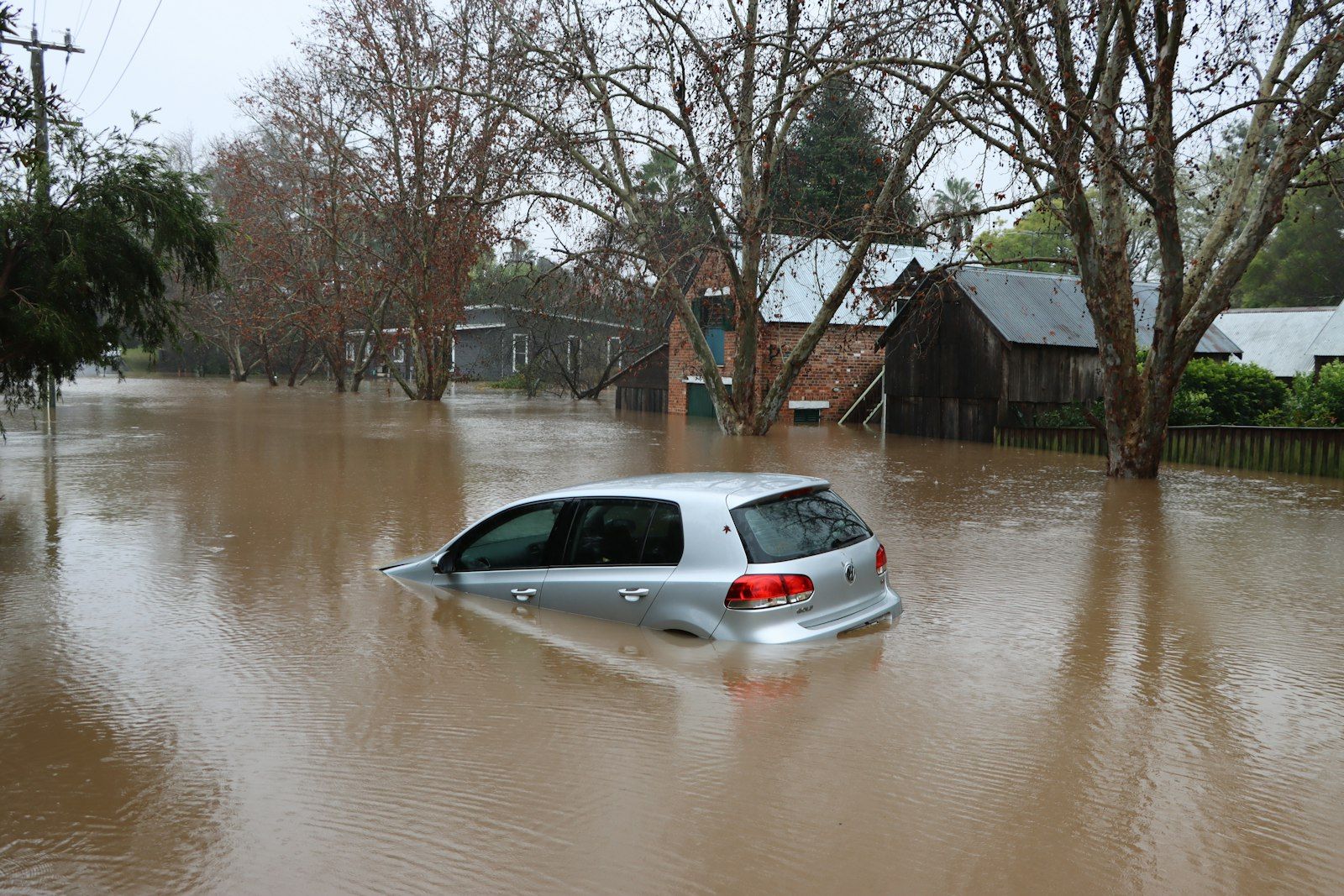
Some states limit retention for severely damaged vehicles, such as those with flood or fire damage, which may receive a non-repairable or junk title instead. Insurers may also decline retention in certain situations.
When Keeping a Totaled Car Can Make Sense
- The damage is mostly cosmetic and the vehicle is still safe to drive once repaired
- You have access to affordable, quality repairs
- You plan to keep the vehicle for many years and resale value matters less to you
- The vehicle has personal value or is hard to replace, such as a classic, a modified vehicle, or a work truck set up for your needs
- The repair cost is well below the settlement difference you are giving up
When It Usually Does Not
- The vehicle has structural, flood, or airbag damage that will be costly to repair properly
- You expect to sell or trade the vehicle in the next few years
- You rely on the vehicle daily and cannot be without it during repairs and inspection
- Your insurer will only offer limited coverage on a rebuilt vehicle
Settle the Value Before You Decide
The salvage deduction is subtracted from the actual cash value, so an undervalued ACV costs you whether you keep the vehicle or not. Make sure the valuation is accurate before you agree to retention.
Our guide to how insurers determine actual cash value explains what to check.
How to Request Owner Retention
1 Tell the adjuster early
Let the insurer know you are considering keeping the vehicle before the settlement is finalized and before the vehicle is moved to a salvage yard.
2 Ask for the salvage value in writing
Request the salvage amount and how it was determined, so you can compare it with your repair estimate.
3 Get a repair estimate
Have a trusted shop estimate the full cost of repairs, including parts that may need to be replaced to pass inspection.
4 Check your state's title process
Look up what your state requires to move from a salvage title to a rebuilt title, including inspections, fees, and paperwork.
Frequently Asked Questions
Can I drive my totaled car?
It depends on your state and the title status. Once a vehicle has a salvage title, it generally cannot be registered or legally driven on public roads until it has been repaired and passed the required inspection.
Who decides the salvage value?
The insurer typically determines salvage value based on what similar damaged vehicles sell for at salvage auctions, often using bids or historical auction data. You can ask how the figure was calculated.
Can I keep my totaled car if it is financed?
Usually only if the loan is paid off. The lender has to release its lien, so if the reduced settlement does not cover the loan balance, you would need to pay the difference.
Can I keep my car if the other driver's insurer totals it?
Often, yes. Third-party insurers commonly allow retention with a salvage deduction as well, though practices vary by insurer and state.
Think Your Total Loss Valuation Missed Something?
Premier Vehicle Valuation Specialists prepares independent, market-based total loss valuations and represents vehicle owners through the appraisal clause for a flat $449 fee.
Before you commit to anything, we review your claim information. If an appraisal is unlikely to make a meaningful difference, we will tell you.
This article provides general information about vehicle property damage claims and is not legal or tax advice. Insurance requirements, claim procedures, and available remedies vary by state, policy, and individual circumstances.