

The Ultimate Diminished Value Guide for Texas
A practical overview of diminished value claims for Texas drivers

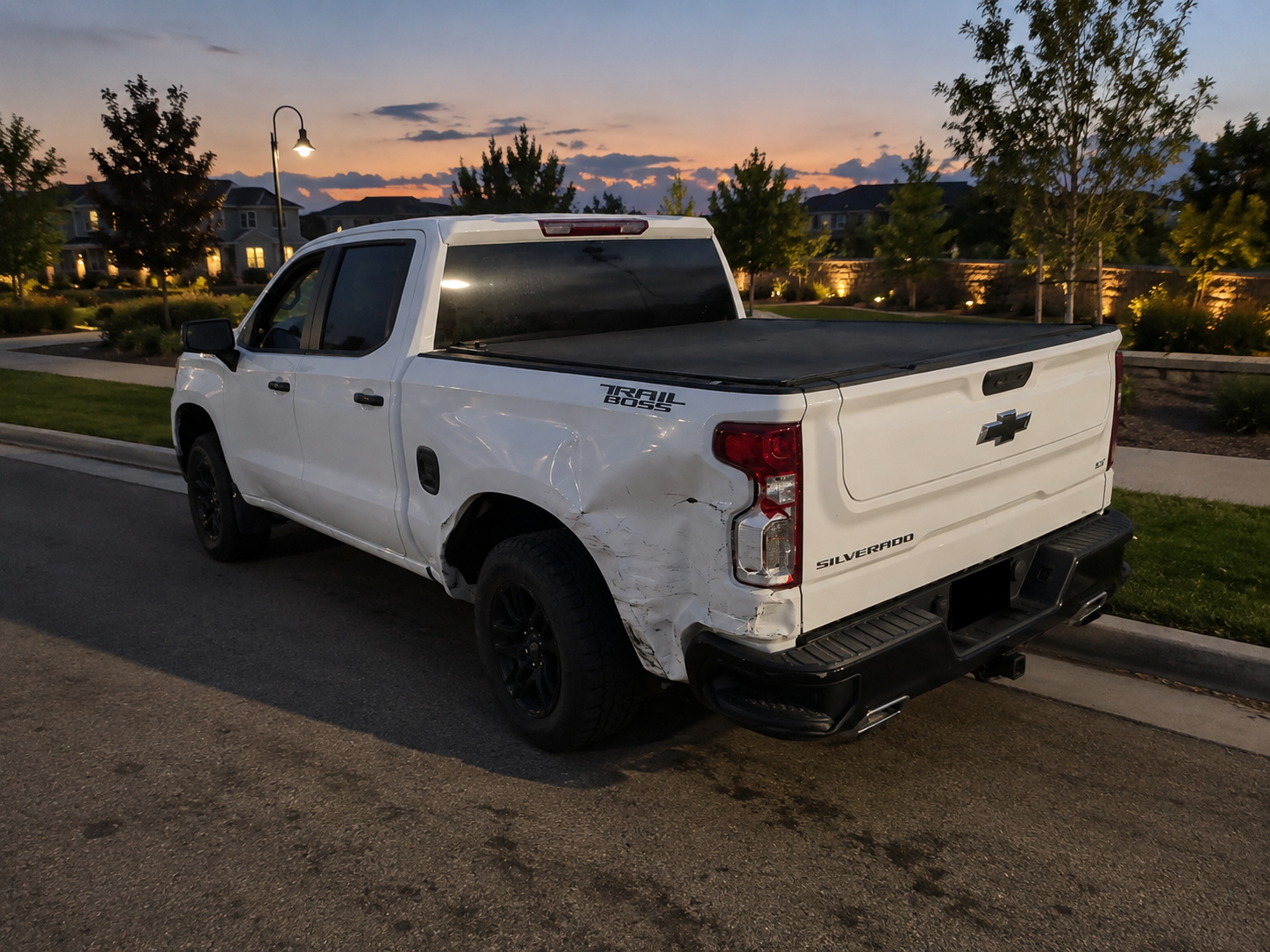
When a vehicle is involved in an accident, the financial impact often extends past the repair bill. Diminished value is the drop in a car's resale price that remains even after high-quality repairs, simply because the vehicle now carries a permanent accident record on services like CARFAX and AutoCheck.
In Texas, drivers who are not at fault for a collision may recover this loss as part of a property damage claim filed against the at-fault driver's insurance company. Texas courts have consistently recognized diminished value as a legitimate component of vehicle damages, separate from the cost of repairs.
Can You File a Diminished Value Claim in Texas?
Yes, in most cases. Texas recognizes third-party diminished value claims, meaning drivers who were not at fault can seek compensation from the at-fault driver's liability insurer. First-party diminished value, meaning a claim against your own insurer, is typically excluded from standard Texas auto policies unless the policy specifically provides for it.
To qualify, a driver generally needs documentation showing another driver was at fault, a vehicle that has been repaired to pre-accident condition, and evidence the accident is now part of the vehicle's history record.
Texas Diminished Value Statute of Limitations
Texas law gives drivers two years from the date of the accident to file a property damage claim, including diminished value, under Texas Civil Practice and Remedies Code Section 16.003. This deadline applies whether the claim is resolved through negotiation or litigation, so vehicle owners who wait too long risk losing the right to recover this loss entirely.
Because comparable vehicle listings and market data become harder to reconstruct over time, drivers are generally better served by pursuing a diminished value claim as soon as repairs are complete rather than waiting until the deadline approaches.
How Is Diminished Value Calculated in Texas?
Texas insurers and independent appraisers typically rely on a market comparison approach that compares the vehicle's pre-accident value to comparable vehicles currently for sale that share the same accident-free history. Several factors influence the final number, including vehicle age and mileage, whether structural or frame repairs were required, demand for the make and model in the Texas used vehicle market, and the quality of the repair work performed.
Because insurance companies often apply internal formulas that can understate the real market impact, an independent appraisal using actual comparable listings tends to produce a more defensible number.
How to File a Diminished Value Claim in Texas
- Complete all repairs and keep the itemized repair invoice.
- Request a copy of the accident report and vehicle history report.
- Obtain an independent diminished value appraisal based on comparable Texas listings.
- Submit a written demand with supporting documentation to the at-fault driver's insurer.
- Negotiate based on the appraisal, escalating to the Texas Department of Insurance or small claims court if the offer is unreasonably low.
Diminished Value Claims in Major Texas Cities
Vehicle accidents happen every day across Texas's largest metro areas, including Houston, Dallas, Fort Worth, Austin, and San Antonio. Regardless of where the collision occurs, the accident becomes a permanent part of the vehicle's title history, and buyers throughout the state's competitive used vehicle market tend to pay less for a car with a documented accident, even after excellent repairs.
Frequently Asked Questions About Diminished Value in Texas
What is the statute of limitations for a diminished value claim in Texas?
Texas drivers have two years from the date of the accident to file a property damage claim, including diminished value, under Texas Civil Practice and Remedies Code Section 16.003.
Can I file a diminished value claim against my own insurance company in Texas?
Generally, no. Most Texas auto policies exclude first-party diminished value coverage. Diminished value claims are typically filed against the at-fault driver's liability insurer as a third-party claim.
How is diminished value calculated in Texas?
Diminished value is typically estimated using a market comparison approach, weighing the vehicle's pre-accident value against comparable vehicles with a clean history, adjusted for mileage, damage severity, and repair quality.
Do I need an appraisal to file a diminished value claim in Texas?
An independent appraisal is not legally required, but it provides objective, market-based documentation that carries more weight with insurers than a driver's own estimate.
Independent Diminished Value Appraisals for Texas Drivers
At Premier Diminished Value Specialists, we use the Premier Market Comparison Method (PMCM) to analyze comparable vehicles and estimate the potential market impact of accident history.
You can learn more about diminished value claims in Texas on our Texas diminished value services page.
Need Help Determining Diminished Value in Texas?
A vehicle accident can affect more than just repair costs. In some situations, the collision may also affect the vehicle’s resale value.
Drivers who want to better understand their options after an accident in Texas may wish to determine whether diminished value may be present.
Premier Diminished Value Specialists provides independent appraisal reports designed to evaluate the real world market impact of accident damage.
Drivers can request additional information or begin the process here: