The Ultimate Diminished Value Guide for Arizona
How vehicle accident history may affect resale value for Arizona drivers

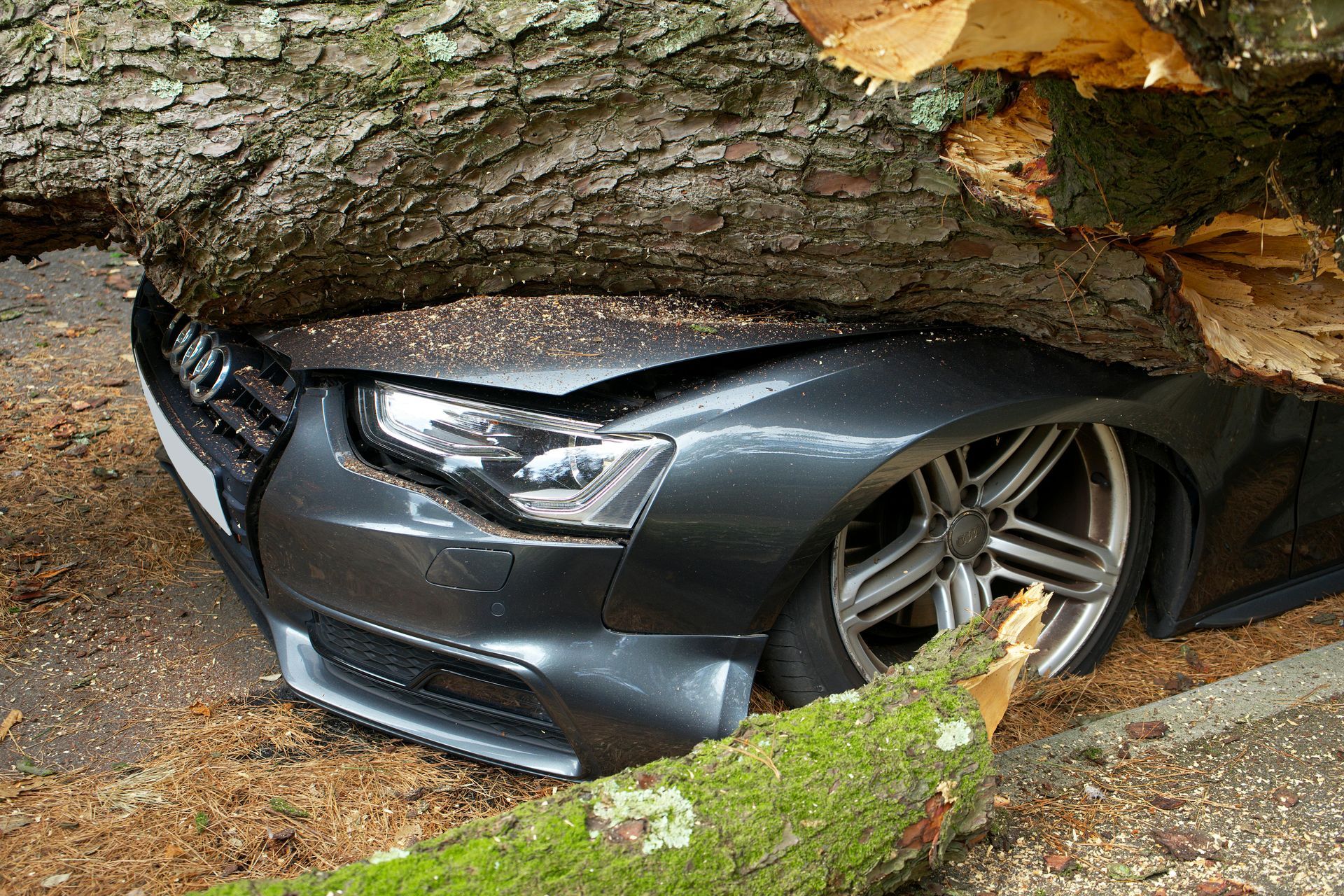
When a vehicle is involved in an accident, the financial impact may extend beyond the cost of repairs. Even after high quality repairs are completed, a vehicle may still lose market value simply because it now has an accident history.
This reduction in resale value is commonly known as diminished value.
In Arizona, drivers who are not at fault for a collision may recover diminished value as part of a property damage claim filed against the at-fault driver's insurer. Arizona Revised Statutes Section 12-542 gives drivers two years from the date of the accident to file this type of claim.
What Is Diminished Value?
Diminished value refers to the difference between a vehicle’s value before an accident and its value after repairs are completed.
Even when repairs restore the vehicle to safe operating condition, the accident history often remains visible through vehicle history reports such as CARFAX or AutoCheck. Because many buyers prefer vehicles without accident history, the presence of a prior collision can reduce resale value.
For many vehicles, this difference in value represents a real financial loss after an accident.
Can You File a Diminished Value Claim in Arizona?
In most cases, Arizona drivers pursue diminished value as a third-party property damage claim, filed and negotiated directly with the at-fault driver's insurance company.
First-party diminished value claims against your own insurer are less common in Arizona and are typically limited to policies that specifically include this coverage. A qualifying claim usually requires completed repairs, an accident report, and evidence that the vehicle's resale value has dropped as a result.
Because diminished value reflects market perception, the amount of loss can vary depending on several factors including:
• vehicle age
• mileage
• severity of damage
• structural repairs
• prior accident history
• local vehicle market conditions
How Insurance Companies Evaluate Diminished Value
Arizona insurers most often rely on a formula-based approach, such as the widely used 17c method, which applies a capped percentage to the vehicle's pre-accident value regardless of the actual market impact. Other insurers instead review comparable vehicle listings and regional market data.
Because these approaches can produce very different results, and formula-based estimates often understate the real loss, an independent appraisal built on direct market comparison tends to hold up better during negotiation and, if needed, dispute.
How Diminished Value Is Documented
Diminished value is commonly evaluated using a market comparison approach that analyzes similar vehicles with and without accident history.
This type of evaluation may include:
• comparable vehicle listings
• vehicle history disclosures
• repair documentation
• regional vehicle market data
By comparing similar vehicles, an appraisal can help estimate the difference between the vehicle’s pre accident value and its post repair market value.
Diminished Value Claims in Major Arizona Cities
Vehicle accidents happen throughout Arizona's metro areas and highway corridors every year. Drivers in Phoenix, Tucson, Mesa, Scottsdale, and Chandler may face diminished value after a collision even when repairs are completed correctly, and the two-year filing window under ARS 12-542 applies statewide regardless of city.
Because accident history becomes part of a vehicle's permanent record through CARFAX and AutoCheck, buyers across Arizona's used vehicle market, from the Phoenix metro to Tucson, may value a repaired vehicle differently than one with a clean history.
Frequently Asked Questions About Diminished Value in Arizona
What is the statute of limitations for a diminished value claim in Arizona?
Arizona gives drivers two years from the date of the accident to file a diminished value claim, under Arizona Revised Statutes Section 12-542. Because evidence and comparable market data get harder to gather over time, it's best to start the process as soon as repairs are finished.
Can I file a diminished value claim in Arizona?
In many cases, Arizona drivers may pursue diminished value as part of a property damage claim when another driver is responsible for the accident.
How is diminished value calculated?
Diminished value is typically estimated by comparing the vehicle’s value before the accident with its value after repairs using market data and comparable vehicle listings.
Do I need an appraisal for a diminished value claim?
Some vehicle owners obtain an independent appraisal to help document the potential impact of accident history on resale value when presenting a diminished value claim.
Independent Diminished Value Appraisals
Independent diminished value appraisals evaluate how accident history may affect a vehicle’s resale value in the current market.
These reports analyze real world vehicle market data, comparable vehicle listings, and repair documentation to estimate the difference in market value before and after an accident.
At Premier Diminished Value Specialists, we use the Premier Market Comparison Method (PMCM) to analyze comparable vehicles and estimate the potential market impact of accident history.
You can learn more about diminished value claims in Arizona on our Arizona diminished value services page.
Need Help Determining Diminished Value in Arizona?
A vehicle accident can affect more than just repair costs. In some situations, the collision may also affect the vehicle’s resale value.
Drivers who want to better understand their options after an accident in Arizona may wish to determine whether diminished value may be present.
Premier Diminished Value Specialists provides independent appraisal reports designed to evaluate the real world market impact of accident damage.
Drivers can request additional information or begin the process here: