

The Ultimate Diminished Value Guide for Florida
What Florida Drivers Should Know About Diminished Value Claims

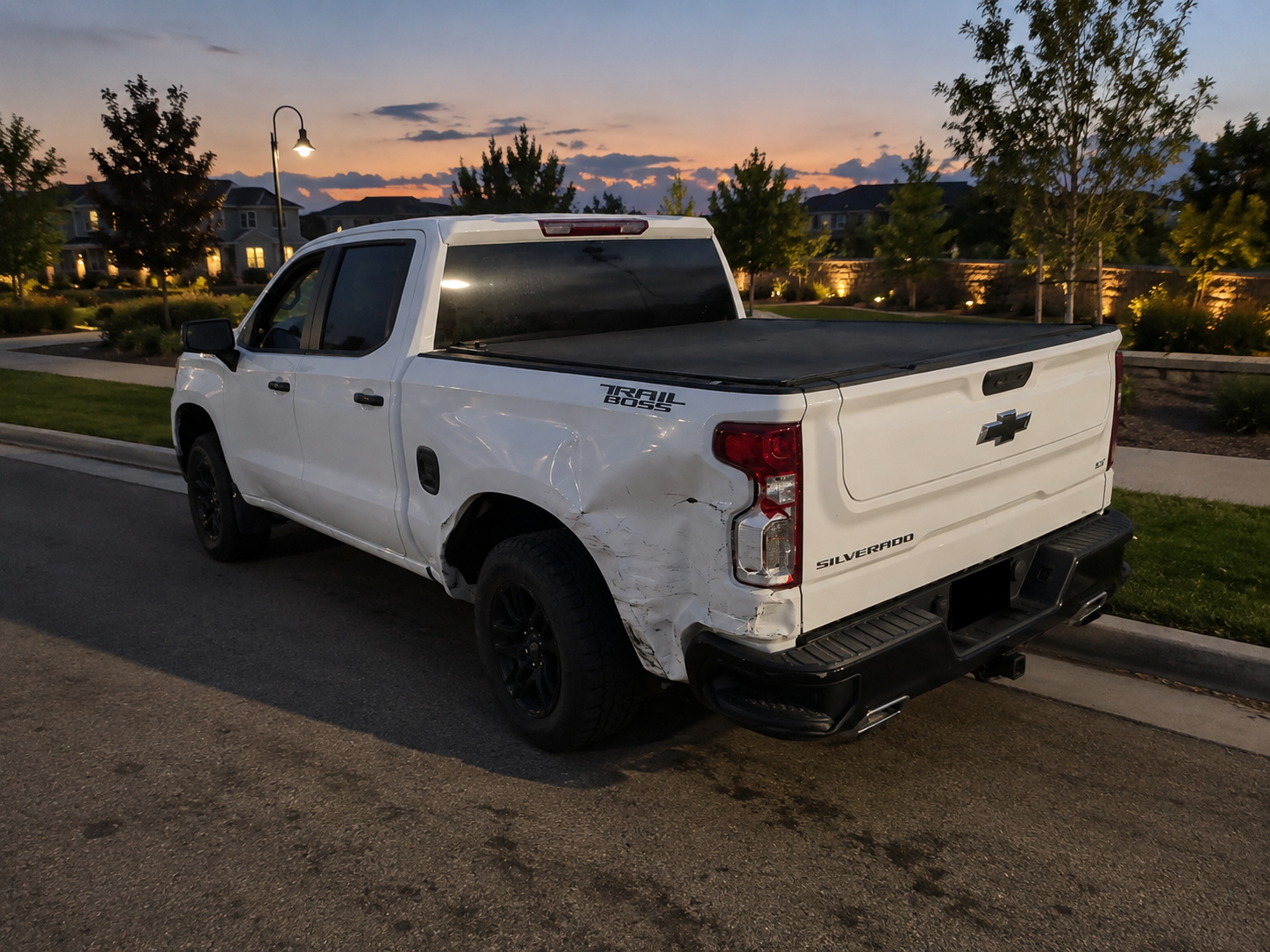
If your vehicle was involved in an accident in Florida, it may lose market value even after repairs are completed. This loss in resale value is commonly referred to as diminished value.
Many vehicle owners are surprised to learn that a repaired vehicle can still sell for less than a comparable vehicle with no accident history. When another driver is responsible for the collision, Florida law may allow vehicle owners to pursue compensation for that loss as part of a property damage claim.
This guide explains how diminished value works in Florida, how claims are typically presented, and what factors can influence the amount of value a vehicle may lose after an accident.
What Is Diminished Value
Diminished value refers to the reduction in a vehicle’s market value after it has been involved in a collision and repaired.
Even when repairs are completed properly, accident history may appear on vehicle history reports. Buyers, dealerships, and vehicle appraisers often consider this history when determining resale or trade in value.
As a result, two otherwise identical vehicles may sell for different prices if one has documented accident history.
Types of Diminished Value
There are three commonly recognized types of diminished value.
Immediate diminished value
Immediate diminished value refers to the loss in value immediately after a collision before repairs are completed. This reflects the vehicle’s condition directly following the accident.
Repair related diminished value
Repair related diminished value can occur when repairs do not fully restore the vehicle to its pre accident condition. This may involve cosmetic differences, mechanical concerns, or other repair related factors.
Inherent diminished value
Inherent diminished value is the most commonly discussed form of diminished value. It represents the reduction in resale value that occurs simply because the vehicle now has an accident history.
Even when repairs are completed properly, accident history may influence buyer perception and resale pricing.
Does Florida Allow Diminished Value Claims
Florida is a strong third-party diminished value state. When another driver is at fault, Florida case law allows vehicle owners to pursue diminished value in tort against that driver's insurer, separate from the cost of repairs.
First-party claims against your own insurer are a different story. In Siegle v. Progressive Consumers Insurance Co., 819 So. 2d 732 (Fla. 2002), the Florida Supreme Court held that an insurer isn't required to pay diminished value once it completes a quality repair, unless the policy says otherwise. Because of Siegle, most successful Florida claims are third-party claims against the at-fault driver's insurer.
For accidents on or after March 24, 2023, Florida's tort reform law (HB 837) shortened the filing deadline for negligence and property damage claims, including diminished value, from four years to two years. Accidents before that date generally still fall under the older four-year deadline, so the accident date determines which applies.
Why Vehicles Lose Value After an Accident
The automotive market often considers accident history when determining resale value. Vehicles with documented collision history may sell for less than similar vehicles with clean history reports.
Several factors contribute to this difference in value.
Buyers may perceive vehicles with accident history as having greater risk.
Dealerships and wholesalers may apply pricing adjustments when evaluating trade ins.
Vehicle history reports provide transparency about prior collisions.
These market factors can influence resale value even when repairs are completed to a high standard.
How Diminished Value Is Evaluated
Diminished value evaluations typically consider several aspects of the vehicle and the accident.
Common factors include:
Vehicle age
Vehicle mileage
Vehicle make and model
Pre accident vehicle condition
Extent and severity of collision damage
Type of repairs performed
Market demand for the vehicle
Vehicles that are newer, have lower mileage, or experienced significant structural repairs may experience a larger reduction in market value compared to older vehicles or vehicles with minor cosmetic damage.
How to File a Diminished Value Claim in Florida
Vehicle owners who believe their vehicle has lost value after an accident may choose to pursue a diminished value claim after repairs are completed.
The process may include the following steps.
Confirm that another driver was responsible for the accident.
Complete all repairs to the vehicle.
Gather repair documentation and photographs of the damage.
Evaluate whether the vehicle may have experienced a loss in market value.
Submit documentation to the appropriate insurance company for review.
Each claim is evaluated individually, and documentation often plays an important role in the review process.
You can learn more about diminished value claims in Florida on our Florida diminished value services page.
Documentation That Can Support a Diminished Value Claim
Supporting documentation can help demonstrate the effect an accident may have had on a vehicle’s market value.
Examples of documentation that may be considered include:
Repair invoices
Vehicle photographs
Vehicle history reports
Comparable vehicle sales data
Independent appraisal reports
Providing clear documentation can assist insurers when reviewing the claim and determining the appropriate outcome.
Diminished Value Claims in Major Florida Cities
Vehicle accidents occur throughout Florida’s highways and metropolitan areas each year. Drivers in cities such as Miami, Orlando, Tampa, and Jacksonville may encounter diminished value concerns after a collision, even when repairs are properly completed.
Because accident history becomes part of a vehicle’s permanent record, buyers in Florida’s vehicle market may still view the vehicle differently after repairs. As a result, resale value may be affected regardless of where the accident occurred within the state.
Frequently Asked Questions About Diminished Value in Florida
Can you claim diminished value in Florida
When another driver is responsible for an accident, vehicle owners may pursue diminished value compensation as part of a third party property damage claim. Each claim is evaluated based on the facts of the accident and the documentation provided.
What is the statute of limitations for a diminished value claim in Florida
For accidents on or after March 24, 2023, Florida gives drivers two years to file a diminished value claim, under the state's HB 837 tort reform law. Accidents before that date generally fall under the prior four-year deadline.
Do all accidents result in diminished value
Not always. Minor cosmetic damage on older vehicles may have little measurable impact on resale value. The effect varies depending on the vehicle and the severity of the accident.
Diminished Value Appraisal Services in Florida
When a vehicle experiences measurable loss in value after an accident, documentation may help clarify the extent of that loss.
Premier Diminished Value Specialists prepares independent appraisal reports designed to analyze real market data, comparable vehicles, and repair history to estimate the change in market value following an accident.
These reports are prepared using the Premier Market Comparison Method, a structured approach that evaluates comparable vehicle sales and market conditions to estimate diminished value after a collision.
These reports are commonly used to document diminished value and assist with property damage claim discussions.