

The Ultimate Diminished Value Guide for Wisconsin
How vehicle accident history may affect resale value for Wisconsin drivers

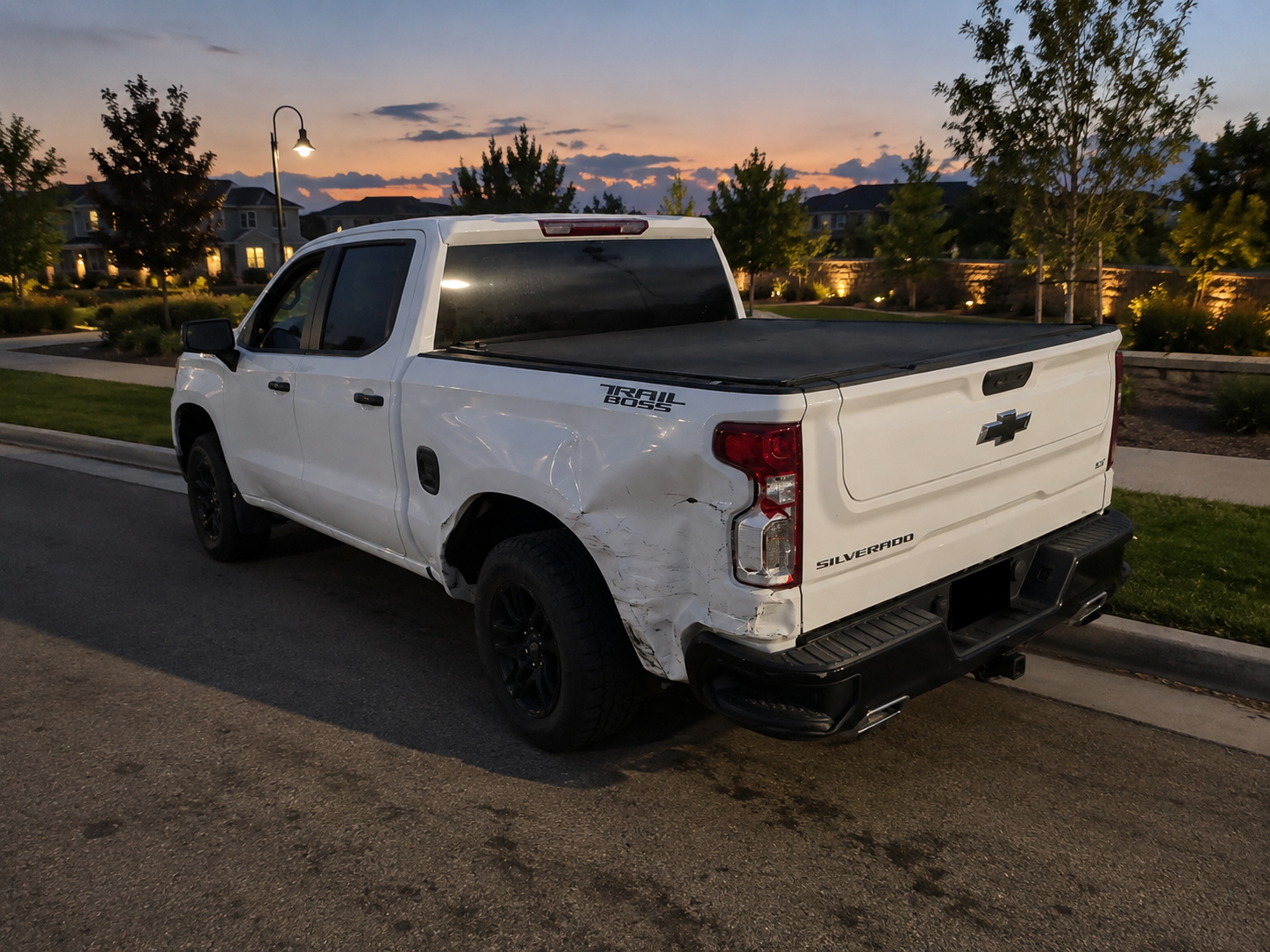
When a vehicle is involved in an accident, the financial impact may extend beyond the cost of repairs. Even after high quality repairs are completed, a vehicle may still lose market value simply because it now has an accident history.
This reduction in resale value is commonly known as diminished value.
In Wisconsin, drivers who are not at fault for a collision may recover diminished value as part of a property damage claim filed against the at-fault driver's insurer. Wis. Stat. Section 893.54 gives drivers three years from the date of the accident to file this type of claim.
What Is Diminished Value?
Diminished value refers to the difference between a vehicle’s value before an accident and its value after repairs are completed.
Even when repairs restore the vehicle to safe operating condition, the accident history often remains visible through vehicle history reports such as CARFAX or AutoCheck. Because many buyers prefer vehicles without accident history, the presence of a prior collision can reduce resale value.
For many vehicles, this difference in value represents a real financial loss after an accident.
Can You File a Diminished Value Claim in Wisconsin?
If another driver caused the accident, you may file a third-party diminished value claim directly against that driver's insurance company. This is the most common path to recovering diminished value in Wisconsin, since the at-fault driver's insurer is responsible for restoring you to the financial position you were in before the accident.
If you were at fault, or if you want to use your own coverage, you may be able to file under your own policy if you carry collision coverage. However, first-party diminished value claims depend heavily on your specific policy language, and many insurers exclude diminished value coverage from first-party claims. Review your policy or speak with your insurer to confirm.
Because diminished value reflects market perception, the amount of loss can vary depending on several factors including:
• vehicle age
• mileage
• severity of damage
• structural repairs
• prior accident history
• local vehicle market conditions
How Insurance Companies Evaluate Diminished Value
Insurance companies often use the 17c formula, a method originally developed by insurers to calculate diminished value claims. This formula applies a base multiplier, a damage severity adjustment, and a mileage adjustment to the vehicle's pre-accident value. Many independent appraisers consider the 17c formula to undervalue true diminished value, since it caps the maximum diminished value at 10% of the vehicle's pre-accident value regardless of actual market impact.
Because these approaches can produce very different results, and formula-based estimates often understate the real loss, an independent appraisal built on direct market comparison tends to hold up better during negotiation and, if needed, dispute.
How Diminished Value Is Documented
Diminished value is commonly evaluated using a market comparison approach that analyzes similar vehicles with and without accident history.
This type of evaluation may include:
• comparable vehicle listings
• vehicle history disclosures
• repair documentation
• regional vehicle market data
By comparing similar vehicles, an appraisal can help estimate the difference between the vehicle’s pre accident value and its post repair market value.
Diminished Value Claims in Major Wisconsin Cities
Wisconsin drivers in cities like Milwaukee, Madison, and Green Bay file diminished value claims regularly, particularly in areas with dense traffic and higher accident rates. Remember, you have three years from the date of the accident under Wis. Stat. Section 893.54 to file your claim.
Vehicle history reports from services like CARFAX and AutoCheck will show the accident on record permanently, which is why documenting the diminished value at the time of the accident is so important for resale value down the road.
Frequently Asked Questions About Diminished Value in Wisconsin
How long do I have to file a diminished value claim in Wisconsin?
You have three years from the date of the accident to file a diminished value claim in Wisconsin under Wis. Stat. Section 893.54.
Can I file a diminished value claim if I was partially at fault?
Wisconsin follows a modified comparative negligence rule, so if you are found more than 50% at fault for the accident, you may be barred from recovering diminished value entirely. Speak with an appraiser or attorney to understand how fault may affect your specific claim.
How is diminished value calculated?
Diminished value is typically estimated by comparing the vehicle’s value before the accident with its value after repairs using market data and comparable vehicle listings.
Do I need an appraisal for a diminished value claim?
Some vehicle owners obtain an independent appraisal to help document the potential impact of accident history on resale value when presenting a diminished value claim.
Independent Diminished Value Appraisals
Independent diminished value appraisals evaluate how accident history may affect a vehicle’s resale value in the current market.
These reports analyze real world vehicle market data, comparable vehicle listings, and repair documentation to estimate the difference in market value before and after an accident.
At Premier Diminished Value Specialists, we use the Premier Market Comparison Method (PMCM) to analyze comparable vehicles and estimate the potential market impact of accident history.
Learn more about diminished value claims in Wisconsin on our
Wisconsin Diminished Value page.
Need Help Determining Diminished Value in Wisconsin?
A vehicle accident can affect more than just repair costs. In some situations, the collision may also affect the vehicle’s resale value.
Our independent appraisers help Wisconsin drivers document diminished value with detailed, defensible reports accepted by insurance companies.
Premier Diminished Value Specialists provides independent appraisal reports designed to evaluate the real world market impact of accident damage.
Drivers can request additional information or begin the process here: